



New licensee confirms Malta’s growing role as B2B iGaming hub
The licence enhances Vivid Gaming’s ability to establish long-term partnerships and scale its operations sustainably within compliant environments

Written By Nicole Zammit
Published on 23 March 2026
•
3 min read

Share





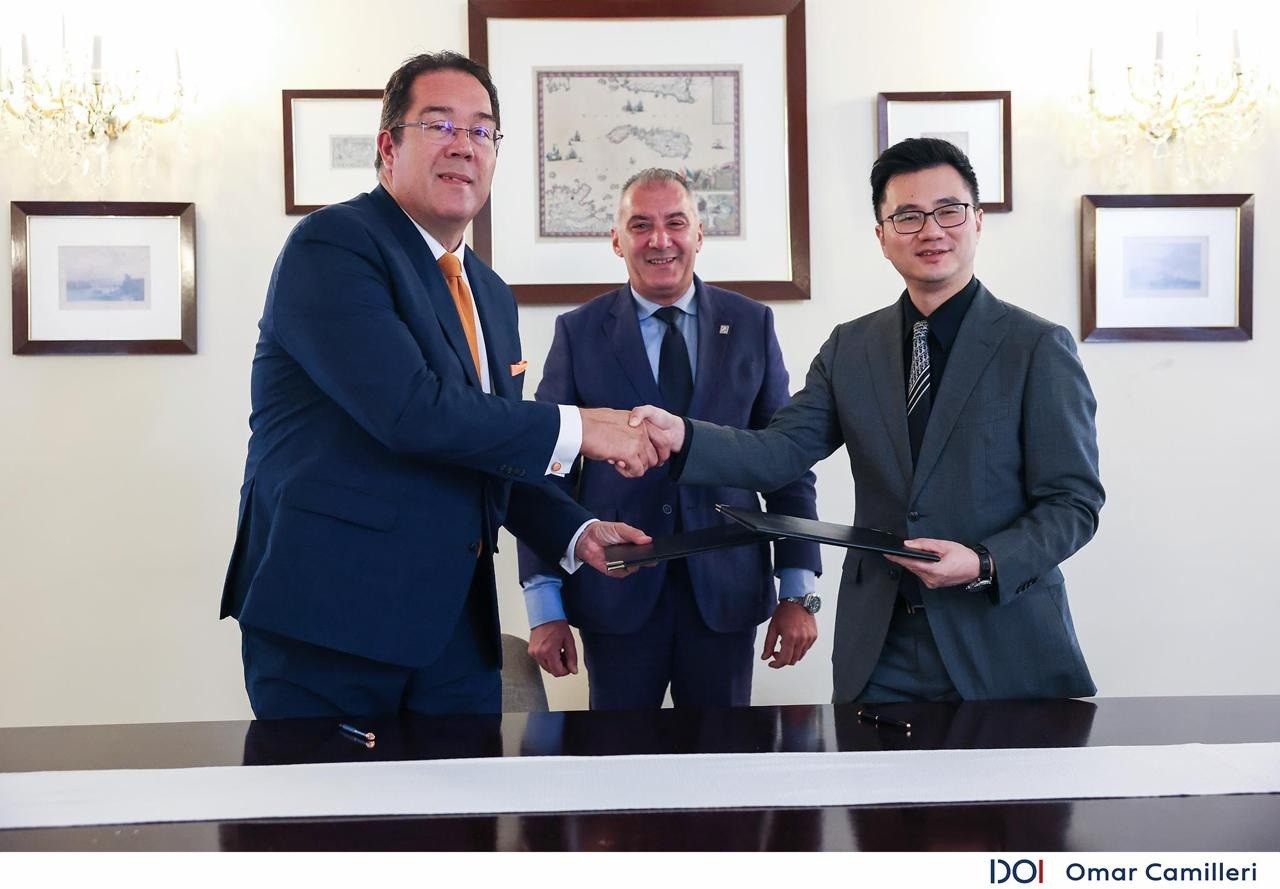
Vivid Gaming has secured a Critical Gaming Supply Licence (B2B) from the Malta Gaming Authority (MGA).
The ten-year licence authorises the company to supply remote casino content to licensed operators and aggregator platforms. The approval enables Vivid Gaming to operate within regulated markets while scaling its distribution network globally.
The development highlights Malta’s continued attractiveness as a jurisdiction for gaming companies seeking regulatory credibility and access to international markets. By obtaining an MGA licence, Vivid Gaming aligns itself with one of the industry’s most recognised regulatory frameworks.
The company indicated that the licence will play a central role in its expansion strategy, particularly following strong market engagement at ICE 2026. It now plans to accelerate integrations and broaden its commercial reach across key regulated jurisdictions.
CEO Karl Hsu said the approval provides a foundation for growth: “We are pleased to receive our MGA B2B licence. With regulatory approval now in place, we can scale more quickly with operators and aggregators and bring our certified titles to players across regulated markets.”
From an investment perspective, the licence enhances Vivid Gaming’s ability to establish long-term partnerships and scale its operations sustainably within compliant environments. It also supports faster entry into new markets, a critical factor for growth-oriented iGaming companies.
The company’s next phase will focus on expanding its regulated-market activity, strengthening partnerships, and increasing the availability of its certified content portfolio.
Planned initiatives include:
- Participation in major industry events such as SBC Malta and SBC Lisbon
- Expanding integrations with operators and platform providers
- Rolling out services across additional regulated markets
- Advancing certification for new jurisdictions
The licence comes amid a broader transformation in Malta’s iGaming ecosystem, which is increasingly shifting towards B2B-focused activities.
Employment in the sector reached 13,929 by June 2025, up 11.7 per cent year-on-year, marking a significant rebound after a period of subdued growth. Notably, this expansion is being driven by non-B2C activities, reflecting changing global regulatory requirements.
While the number of employees working on MGA-licensed activities declined, those engaged in non-MGA licensed functions within the same companies rose by 41 per cent in just one year. This shift is largely attributed to the rise of national licensing regimes across Europe and beyond, which require operators to obtain local licences, reducing reliance on Malta for direct-to-consumer operations.
This trend is reflected in declining player activity on MGA-licensed platforms, with active accounts dropping from 20.5 million in the first half of 2024 to 7.49 million in 2025, alongside a decrease in compliance contributions.
At the same time, Malta is strengthening its position as a hub for B2B gaming services. By mid-2025, 64.3 per cent of new licence applications were B2B-related, with the segment accounting for 55.5 per cent of the overall licence base.
The Malta Gaming Authority has described this as a strategic shift towards a lower-risk, more sustainable business model, creating opportunities for a broader and more specialised skills base.
Share
Written By Nicole Zammit
Business Journalist
When she’s not writing articles at work or poetry at home, you’ll find her taking long walks in the countryside, pumping iron at the gym, caring for her farm animals, or spending quality time with family and friends. In short, she’s always on the go, drawing inspiration from the little things around her, and constantly striving to make the ordinary extraordinary.
Trending News


Continue Reading


Malta’s Economic Sectors