



How Malta is positioning itself as Europe’s agile space gateway
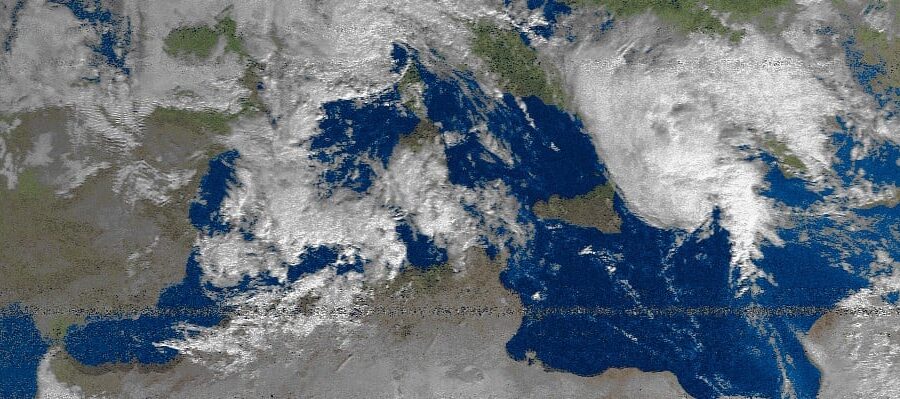
Malta has made a deliberate decision not to compete on scale, but to position itself strategically within the European and global Space landscape

Written By Xjenza Malta
Published on 15 May 2026
•
3 min read
Share





The Space sector is now no longer defined by launch vehicles alone. It includes earth-observation intelligence supporting maritime operations, satellite-enabled connectivity underpinning financial services, and climate analytics informing insurance and environmental governance. The Space economy is expanding across sectors, and the jurisdictions that will succeed are those that understand integration rather than spectacle.
Malta has made a deliberate decision not to compete on scale, but to position itself strategically within the European and global Space landscape. As a member of the European Union, Malta offers immediate access to the single market and legal predictability. However, market access alone does not create leadership. Structure does.
The implementation of the Space Activities Act will provide regulatory clarity for operators whose activities engage international responsibility. It establishes a defined perimeter of authorisation and supervision, while remaining aligned with European and international frameworks. This ensures that companies entering Malta do so within a credible and treaty-consistent system.
Yet legislation is only one component of positioning. A Space economy cannot function without financial, insurance and legal readiness. Recognising this, Xjenza Malta has already taken practical steps to prepare the ancillary services landscape. In early 2026, the Agency’s Space Unit convened a high-level conference bringing together financial institutions, insurers and legal professionals with one clear objective: to ensure that Malta’s professional services ecosystem is prepared to support Space operators as from Day One.
Space ventures require structured financing, specialised risk modelling, cross-border contractual frameworks and regulatory advisory capacity. By proactively engaging these sectors, Malta is ensuring that the ecosystem evolves in parallel with the legislation, rather than reacting after operators arrive.
This is consistent with Malta’s broader regulatory history. The country has repeatedly positioned itself at the forefront of emerging industries by providing early legislative clarity combined with operational services readiness: Its maritime registry developed within complex international conventions supported by sophisticated legal and insurance frameworks; the iGaming sector evolved alongside compliance, audit and financial expertise; and distributed ledger technologies and digital regulation required coordinated adaptation between policymakers and practitioners. In each case, Malta moved early and structured the ecosystem holistically.
Space is being approached in the same manner. Malta has made it a point to contribute meaningfully to European innovation by offering a localised but comprehensive model. This model connects legislation, supervision, professional services capability and a competitive corporate environment designed to support growth-oriented enterprises. It is not simply about attracting companies; it is also about ensuring that those companies operate within a coherent and supportive framework.
Agility remains central. Smaller jurisdictions can respond more quickly to technological evolution and to the advancing European Space agenda, particularly in areas such as sustainability, secure connectivity and resilience. Malta combines EU regulatory stability with institutional accessibility and direct dialogue between industry and public authorities. This balance allows for responsiveness without compromising credibility.
Positioning on the European and global stage is not a function of size, but of vision, capability and commitment. It requires clarity of intent, structural coordination and the discipline to implement.
Malta is positioning itself accordingly, through the coordinated work of Xjenza Malta, not through hollow declarations, but through solid legislation, ecosystem preparation and integrated policy execution.
For companies seeking a European base where innovation is supported – from regulation to operational readiness – Malta is building precisely that environment.
Share
Written By Xjenza Malta

Continue Reading

Malta’s Economic Sectors