


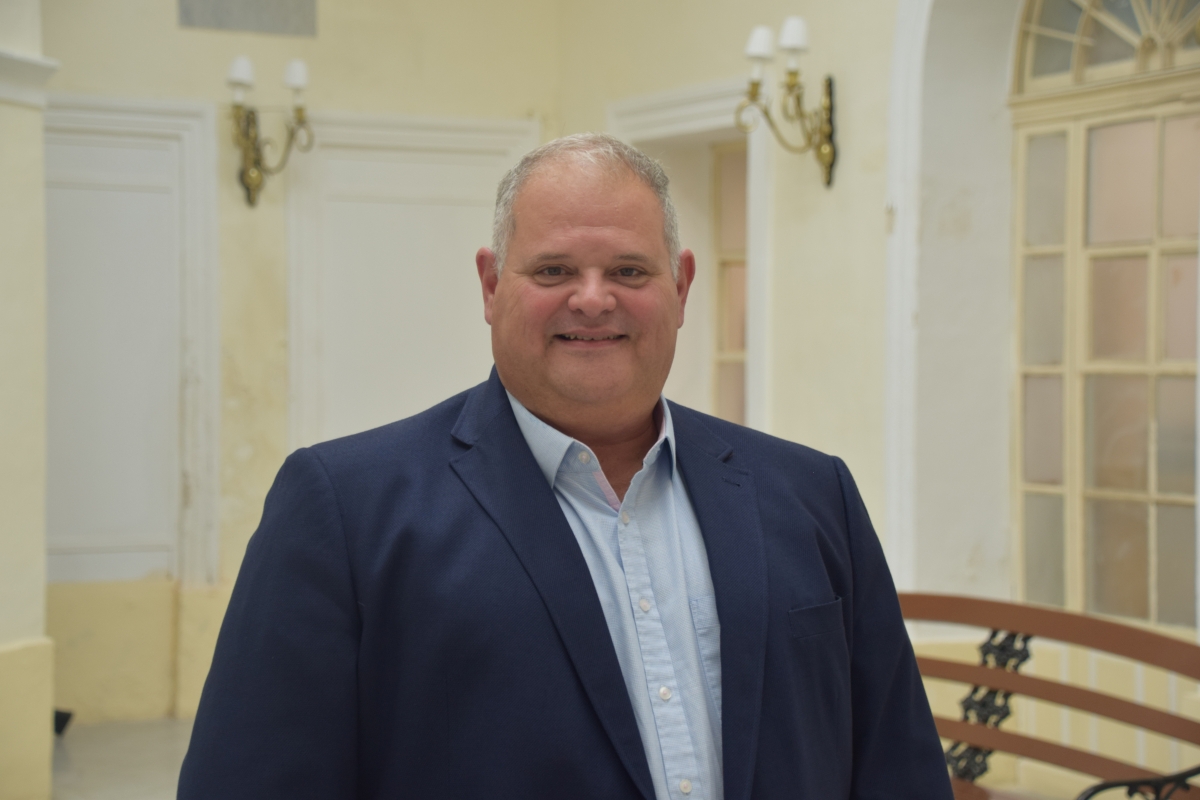
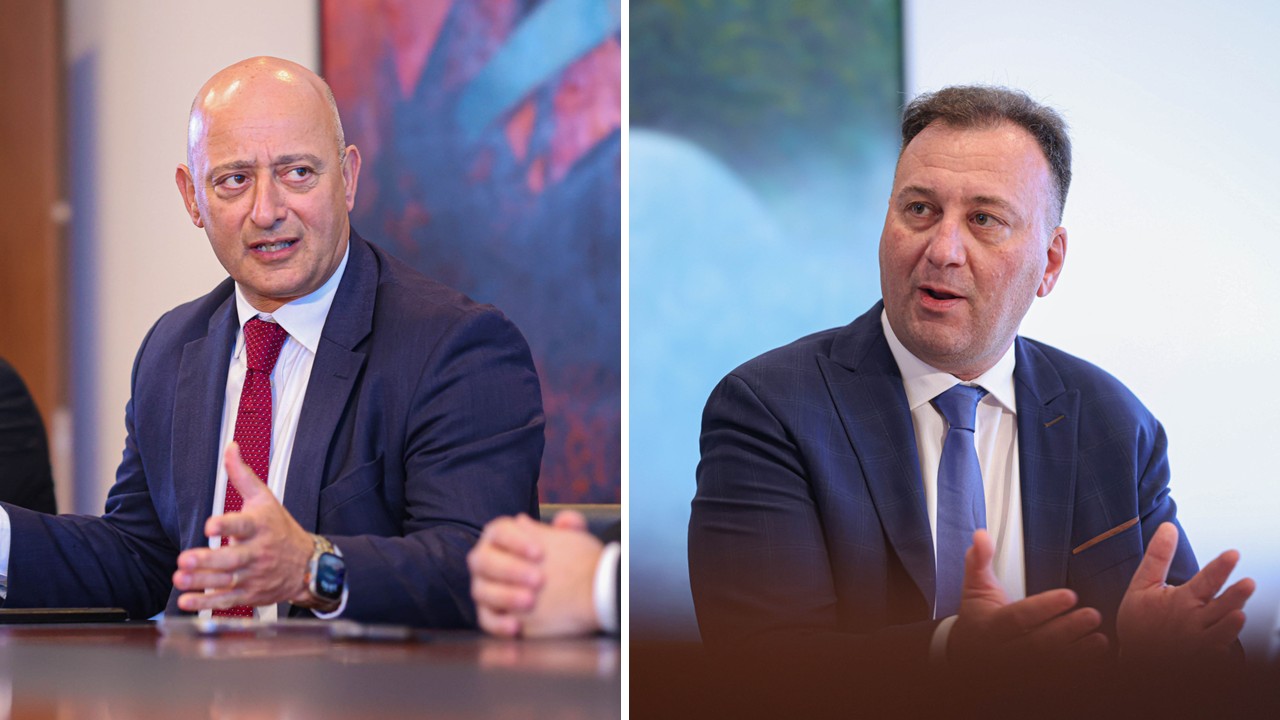
Meet William Spiteri Bailey
Elected President of The Malta Chamber of Commerce, Enterprise and Industry in 2025, William Spiteri Bailey is a seasoned accounting and audit professional who chairs and sits on the boards of several of Malta’s largest companies.
Malta’s position as a secure, predictable gateway into the EU market has enhanced its attractiveness at a time when global uncertainty has made stability and agility more valuable than ever.
How would you assess Malta’s current economic climate for foreign investment?
Our fundamentals remain strong – a stable environment, a competitive tax system and robust digital infrastructure – and 90 per cent of foreign investors in Malta plan to maintain or grow their operations. However, confidence will only be sustainable if the country addresses key structural challenges. Skills shortages are now the primary risk, reported by 60 per cent of investors, while cost competitiveness is declining, particularly in labour and services. Overall, the outlook remains optimistic – but investors expect decisive actions to improve talent, infrastructure and governance if Malta is to preserve and boost its FDI appeal.
Can you share some insights about the latest developments in the Maltese business landscape over the last 12 months?
Over the past 12 months, Malta’s business landscape has continued to grow and evolve, with nearly 1,900 new enterprises registered in 2024, bringing the total to more than 60,800 active businesses. This growth reflects strong entrepreneurial confidence and a dynamic SME sector, especially driven by micro-enterprises. We are also observing improved business sentiment in sectors such as construction, real estate and manufacturing, despite ongoing challenges related to labour shortages, rising input costs and productivity pressures.
At the same time, companies are increasing their investment in technology, digital tools and innovation to boost efficiency and competitiveness – an encouraging shift that aligns with our national priorities.
While the growing number of enterprises is positive, Malta should now focus more on strategic consolidation through mergers and acquisitions. Building stronger, betterresourced and more scalable businesses will enable our economy to generate higher value-added output and position Maltese enterprises to compete more effectively on the international stage.
A study on Malta’s attractiveness for FDI conducted by EY found a sharp uptick in positive outlook among foreign investors and business owners in 2025. To what do you attribute this change?
The sharp rise in positive sentiment towards Malta – up to 79 per cent in 2025 – reflects renewed confidence in the country’s ability to offer a stable, agile and forward-looking environment for investors. This shift is driven by effective economic policymaking, consistent diversification into higher-value sectors such as tourism, gaming, financial services, fintech, and AI, as well as Malta’s increasing capacity to attract international talent.
Investors are also responding to improvements in the labour market quality, the country’s commitment to digitalisation and innovation, and ongoing upgrades to essential infrastructure.
Importantly, Malta’s position as a secure, predictable gateway into the EU market has enhanced its attractiveness at a time when global uncertainty has made stability and agility more valuable than ever.
What kind of support can foreign investors expect to receive from The Malta Chamber?
At The Malta Chamber, we offer foreign investors much more than just a point of contact – we serve as a strategic partner from the very beginning of their investment journey. Through our international desk, we connect investors with trusted local businesses, Government entities and specialised service providers, while also providing market intelligence, sector insights and access to our extensive global networks. Whether through trade missions, customised introductions, or guidance on Malta’s regulatory and operational landscape, we assist investors in making well-informed decisions based on real opportunities.
Engaging with us early is highly recommended, as it enables us to support investors in assessing feasibility, navigating the ecosystem and identifying the right partners from the outset. In a small yet dynamic economy like ours, early engagement can greatly facilitate an investor’s entry, reduce uncertainty and accelerate their growth in Malta.
This interview was first published in the 2026 edition of Malta Invest, the sister brand to MaltaInvest.mt and produced by Content House Group.
Industry Key Players

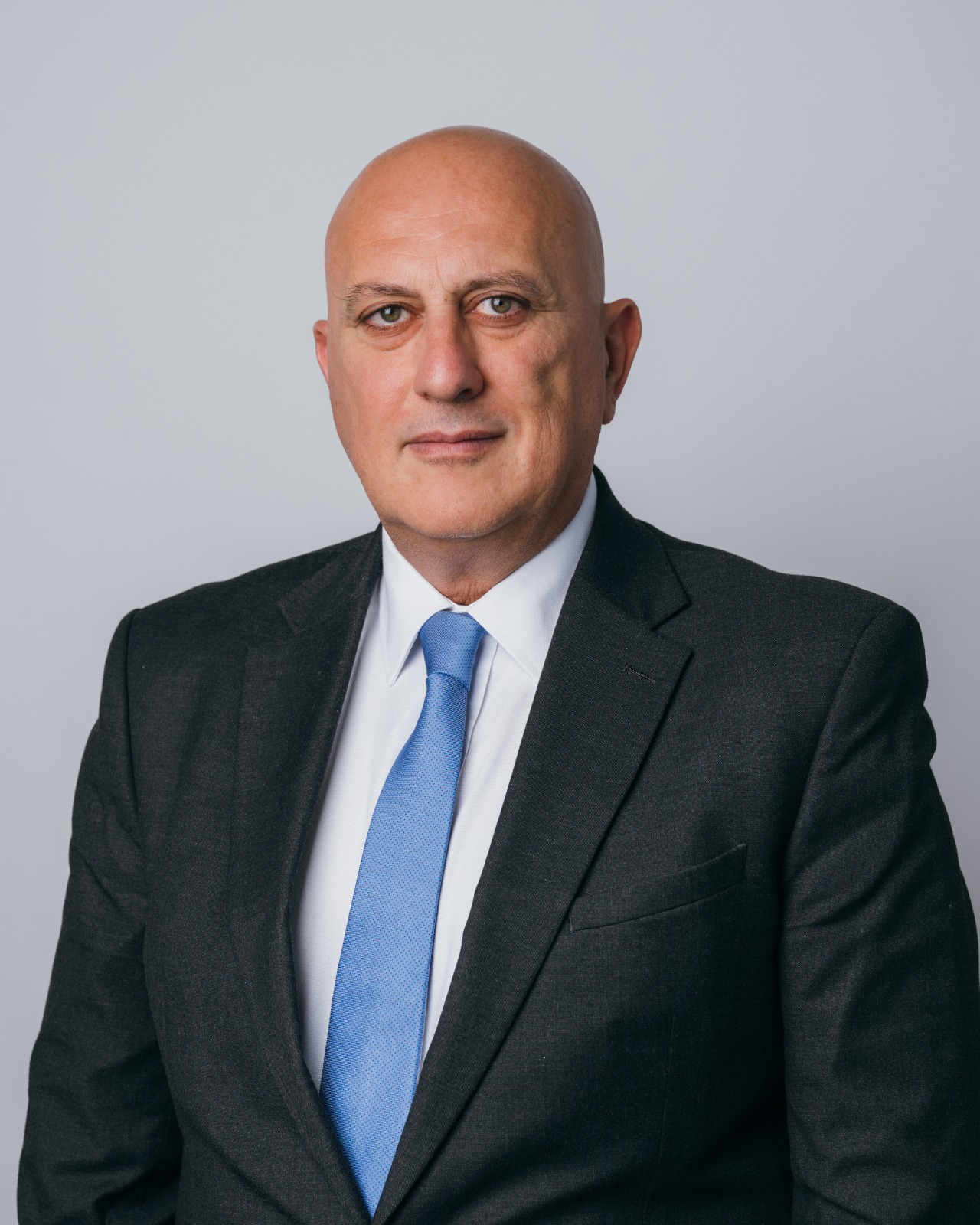


Written By Robert Fenech
Online Business Editor
Robert is curious about the connections that make the world work, and takes a particular interest in the confluence of economy, environment and justice. He can also be found moonlighting as a butler for his big black cat.

Continue Reading



Malta’s Economic Sectors