


 Latest News ‘Malta could be a living model’ – Charles Pace on the island’s opportunity to become a testbed for eVTOL innovation
 ‘Malta could be a living model’ – Charles Pace on the island’s opportunity to become a testbed for eVTOL innovation
Captain Charles Pace, Director General for Civil Aviation at Transport Malta, explores how eVTOL aircraft and advanced drones could reshape the island’s transport, healthcare and logistics

Written By Lyndsey Grima
Published on 21 April 2026
•
5 min read
Share





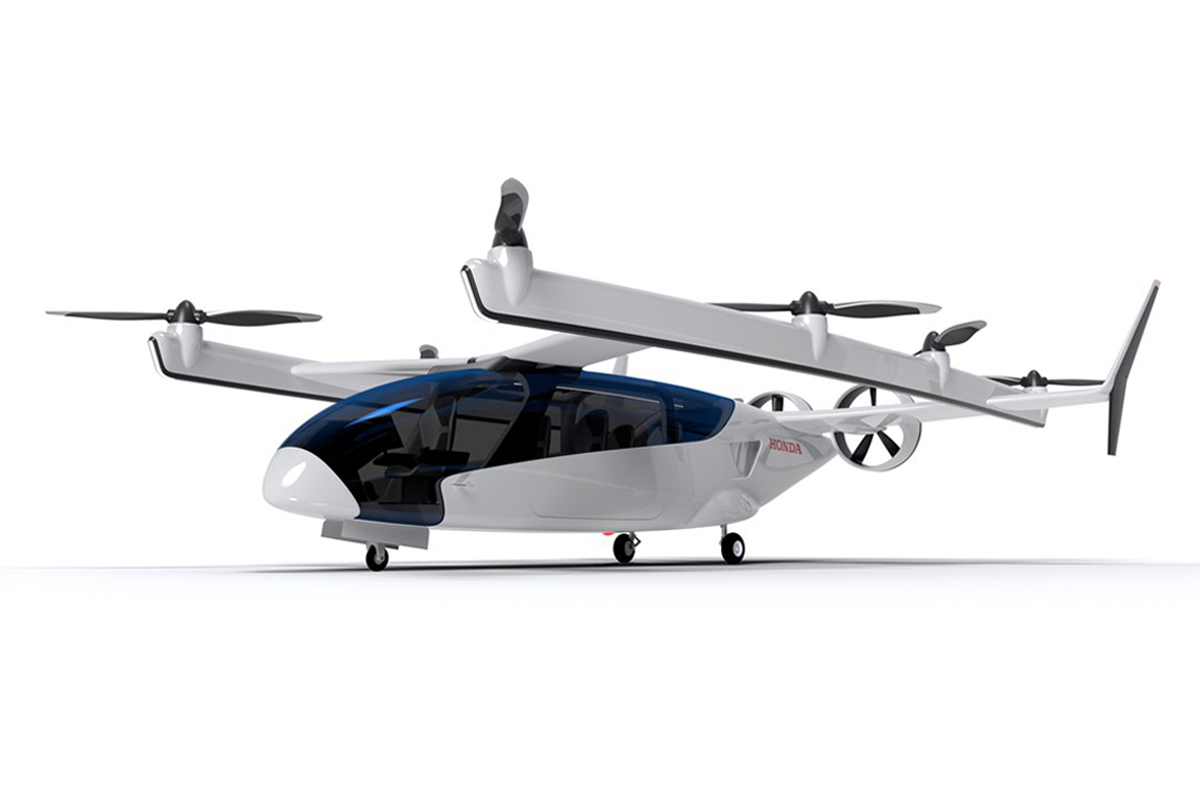
As mobility and advanced technology continue to evolve, electric vertical take-off and landing (eVTOL) aircraft are rapidly shifting from concept to reality. For small, agile nations like Malta, the technology presents a unique opportunity, not only to modernise transport, but to position itself as a living laboratory for innovation.
Sitting down with Capt. Charles Pace to talk about eVTOL and the possibilities for Malta, the conversation moved beyond aviation, exploring how emerging technologies, from advanced drones to autonomous systems, could mould sectors ranging from logistics to healthcare.
eVTOL technology promises to redefine how people and goods move, particularly across short distances - an advantage especially relevant in the Mediterranean.
Unlike conventional aircraft, eVTOL vehicles combine vertical take-off capabilities with electric propulsion, potentially enabling quieter, more sustainable urban and regional transport. For islands and coastal regions where ferries, road congestion, and terrain can slow travel, the benefits become even more apparent.
“One of the best benefits when using this technology is reaching localities which otherwise are time-consuming to reach by traditional means,” explains Capt. Pace.
The environmental dimension is also critical. Islands such as Comino are environmentally sensitive, and any future mobility solutions must align with sustainability goals.
“Comino is a green place,” he notes. “Anything landing there needs to be green. This is a step in the right direction.”

Beyond passenger transport, eVTOLs and advanced drones could transform logistics. Deliveries, whether parcels, urgent supplies or specialised cargo, could be carried quickly across short distances, reducing road congestion while improving efficiency.
While many countries are exploring advanced air mobility on paper, Malta may hold a practical advantage: geography.
“The risk in testing and flying these things is always a factor. However, Malta has a very good place to test because of the sea. Testing operations can be conducted over open water, reducing risk while allowing developers to experiment with real-world flight scenarios. Equipment can be operated from temporary coastal facilities such as a van or container close to the sea,” as Capt. Pace describes – while also maintaining operational flexibility.
The island’s compact size is another advantage. Short flight routes make it ideal for demonstrating practical applications of eVTOL services, whether moving passengers, cargo or medical supplies.
“We could be a living model where people can see the concept in real terms and then buy it for their own country,” Capt. Pace envisions.
Discussions are already taking place with major industry players, with the potential to strengthen Malta’s research and development ecosystem.
Despite the promise of eVTOL technology, integrating it into existing aviation systems presents complex regulatory challenges. For authorities, the pace of technological innovation often outstrips the speed of certification and policy development.
“The technology exists and is safe enough to fly,” Capt. Pace explains. “However, when it comes to using it commercially, it needs certification - and that takes time.”
Europe’s certification processes for advanced drones and eVTOL aircraft are rigorous, particularly when human passengers are involved.
“Of course, the risk is higher when you put people inside a machine,” he says. “The EU certifies these drones, but the timeline is slow. Europe is sometimes too slow to react.”
At the same time, global investment trends are influencing the direction of development. According to Capt. Pace, military demand for drone technology is currently absorbing significant funding and resources.
“Drone technology in general is now being taken over by the military,” he says. “We’re up against the money that’s flowing there, and the military have money to spend.” Nevertheless, civilian applications remain vast – from surveillance and security to infrastructure monitoring and logistics.
One of the most compelling use cases for eVTOL technology lies in healthcare. Faster emergency response times could fundamentally change how patients are transported to hospitals.
Capt. Pace describes a future scenario in which autonomous or remotely piloted eVTOL vehicles could transport injured individuals directly to medical facilities.
“An eVTOL could land on the side of the road and transfer people straight into hospital after an accident," he says. “No delays in traffic. Facilities such as Mater Dei Hospital could eventually be connected to dedicated landing areas or ‘drone ports.’ Strategic locations around the island, including areas like Mellieha or developments such as Smart City Malta, could host rapid response hubs. This could be a game changer - people transferred to hospital within minutes.”
For regulators, adapting to this technological shift requires investment not only in infrastructure but also in human capital.
“Headcount is the biggest challenge,’ Capt. Pace explains. ‘Anything new requires more resources.”
Training specialists, from drone operators to regulatory experts, is essential, yet expensive. Nevertheless, Capt. Pace strongly believes that building expertise locally is the only sustainable path forward.
The Civil Aviation Directorate is already working to prepare for the future through training initiatives and international collaboration. Malta participates actively in European discussions on autonomous systems, sustainable propulsion and advanced air mobility.
“We follow the framework, send people to training and try to recruit more,” Capt. Pace explains. “We are at the forefront of discussions, but we need more numbers.”
For Malta and eVTOL technology, the opportunity lies not only in adopting these technologies but in shaping how they are deployed globally.
With its compact geography, pragmatic regulatory approach and openness to collaboration, the country has the potential of being a proving ground for the next generation of mobility solutions - turning emerging technology into tangible economic and societal value.
Share
Written By Lyndsey Grima



Continue Reading



Malta’s Economic Sectors