




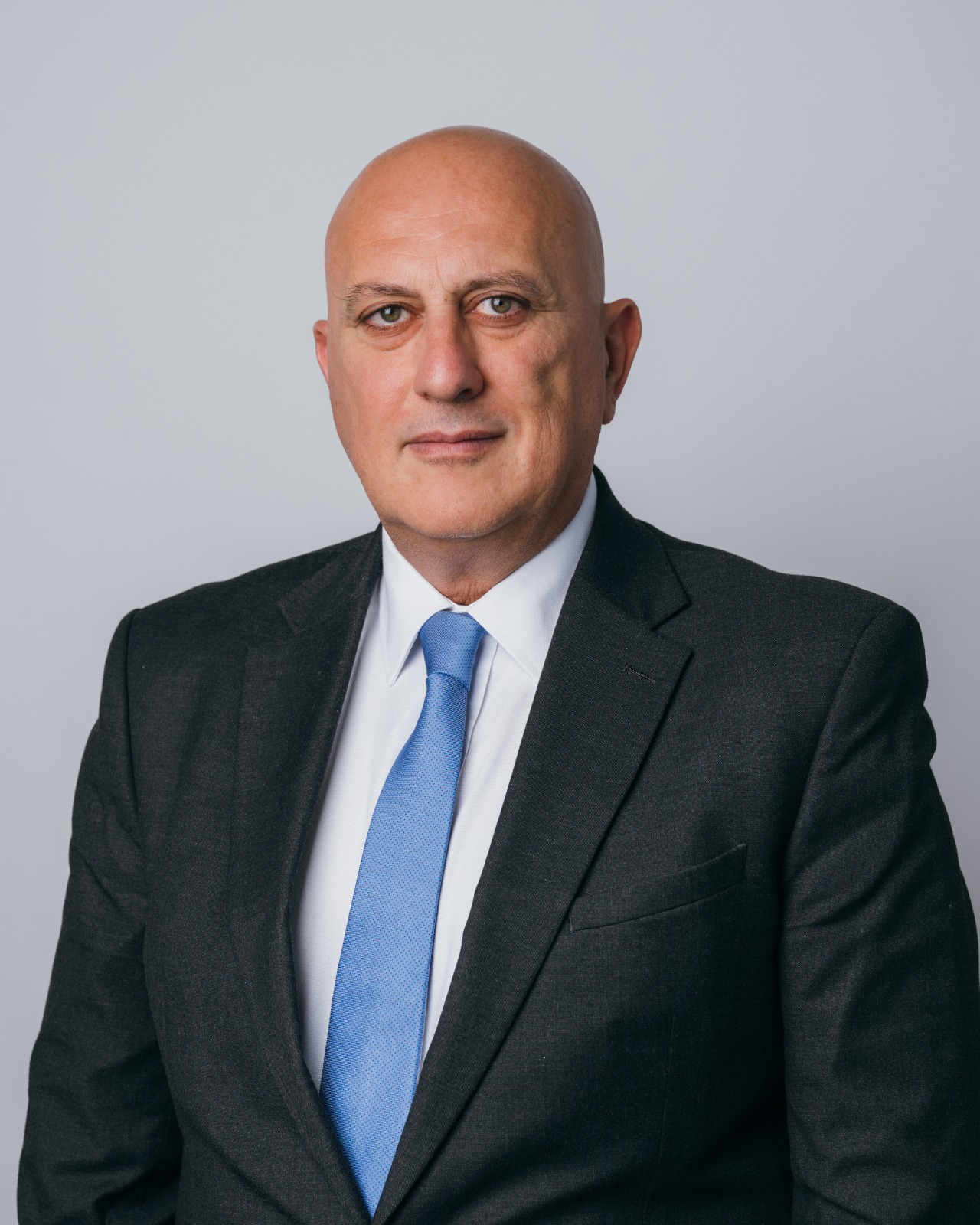
Meet Geraldine Spiteri
As the Founder of boutique advisory firm Asteria Advisory Dr Geraldine Spiteri specialises in providing legal and consultancy support for the registration and management of high-value assets.
Malta has established itself as a leading flag through a combination of strong legal foundations, industry accessibility, and active engagement with the maritime sector.
How have Malta’s ship registration framework and ecosystem changed over the last 10 years?
Ten years ago, ship registration under the Malta flag was largely a straightforward administrative exercise. Since then, the wider regulatory environment has evolved considerably. Global expectations on transparency, safety, ESG commitments, and digital processes have risen, and Malta has kept pace by strengthening its frameworks and enhancing its technical and compliance systems.
What has remained constant is Malta’s accessibility. The ability to engage directly with knowledgeable professionals at the registry continues to be one of the flag’s defining strengths. Today’s owners increasingly look for guidance that brings regulatory, operational, and commercial considerations together. At Asteria Advisory, I focus on providing that clarity so clients experience a smooth and well-supported registration journey.
Malta has established itself as a leading flag through a combination of strong legal foundations, industry accessibility, and active engagement with the maritime sector. The familiarity of the people behind the registry with the sector and their presence at industry events make collaboration smooth and direct, which clients value highly. As the sector evolves, Malta continues to refine its processes and reinforce its position as a dependable and internationally recognised registry.
How timely and efficient is the registration process for ships, yachts, and aircraft – and what can owners do to improve it?
Malta’s registration systems are designed to be efficient, and they function well when documentation and technical requirements are properly aligned at the outset. In practice, timelines depend on coordination among surveyors, managers, financiers, and advisors – a reality shared across the global maritime and aviation sectors as regulatory expectations increase.
Owners can support efficiency by preparing ownership and compliance documentation early and maintaining clear communication with all stakeholders. With the right planning, the process is straightforward and predictable.
Have you seen interest in Malta’s Protected Cell Companies since their introduction?
Protected Cell Companies offer a flexible structure for businesses managing multiple assets or activities, providing valuable ring-fencing and organisational clarity. The framework is particularly relevant for operators with diversified portfolios or long-term strategic projects.
For single-asset structures, traditional companies often remain the simpler and more practical choice, but PCCs have certainly added range to Malta’s corporate offering. The aim is always to match the structure to the client’s objectives, and PCCs can be an effective solution where a multi-cell strategy is part of the business plan.
How well do Malta’s courts serve ship operators and maritime finance?
Malta’s courts enjoy a respected reputation in maritime matters, supported by well-established legislation on ship arrest, mortgage enforcement, and judicial sales. This legal certainty is an important factor for owners, managers, and financiers operating in an international environment.
As in any busy maritime jurisdiction, the courts manage a significant volume of cases, yet the depth of expertise within the judiciary remains a key strength. Recent developments in specialised commercial structures further reflect Malta’s commitment to supporting the sector.
Image Credit: Inigo Taylor
Industry Key Players



Written By Robert Fenech
Online Business Editor
Robert is curious about the connections that make the world work, and takes a particular interest in the confluence of economy, environment and justice. He can also be found moonlighting as a butler for his big black cat.

Continue Reading

Malta’s Economic Sectors