

 Latest News Measuring what matters: How the Malta Tourism Observatory is redefining sustainable travel
 Measuring what matters: How the Malta Tourism Observatory is redefining sustainable travel
The Observatory seeks to promote specific niches of interest that go beyond the usual ‘greatest hits’

Written By Edward Bonello
Published on 10 March 2026
•
6 min read
Share





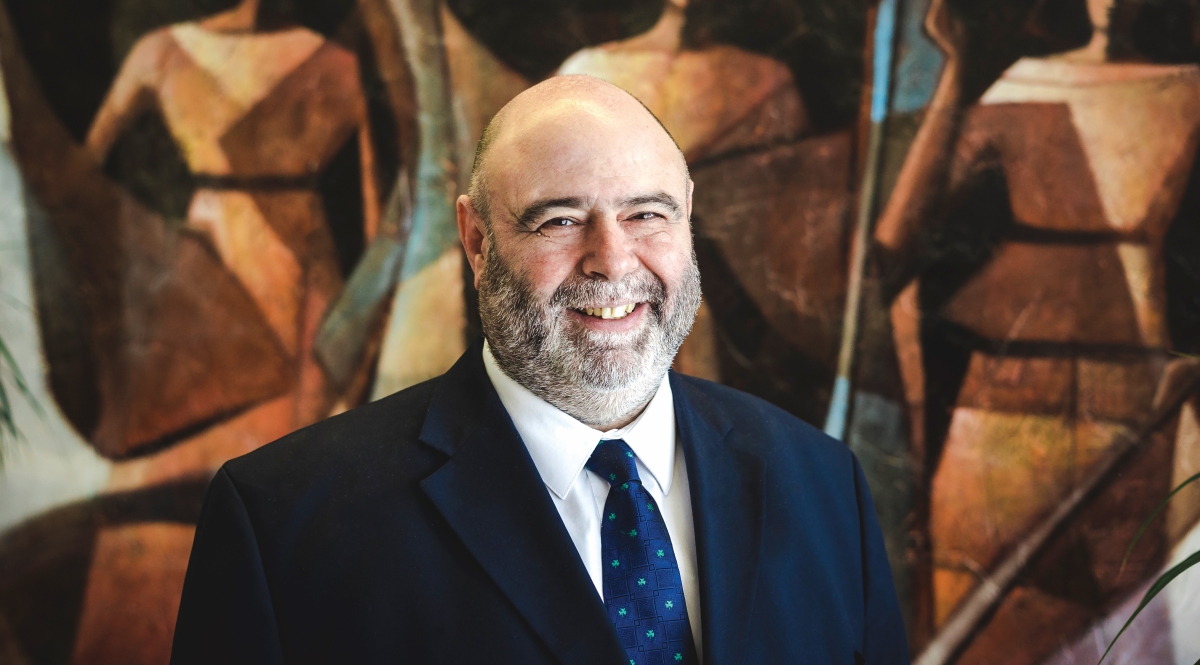
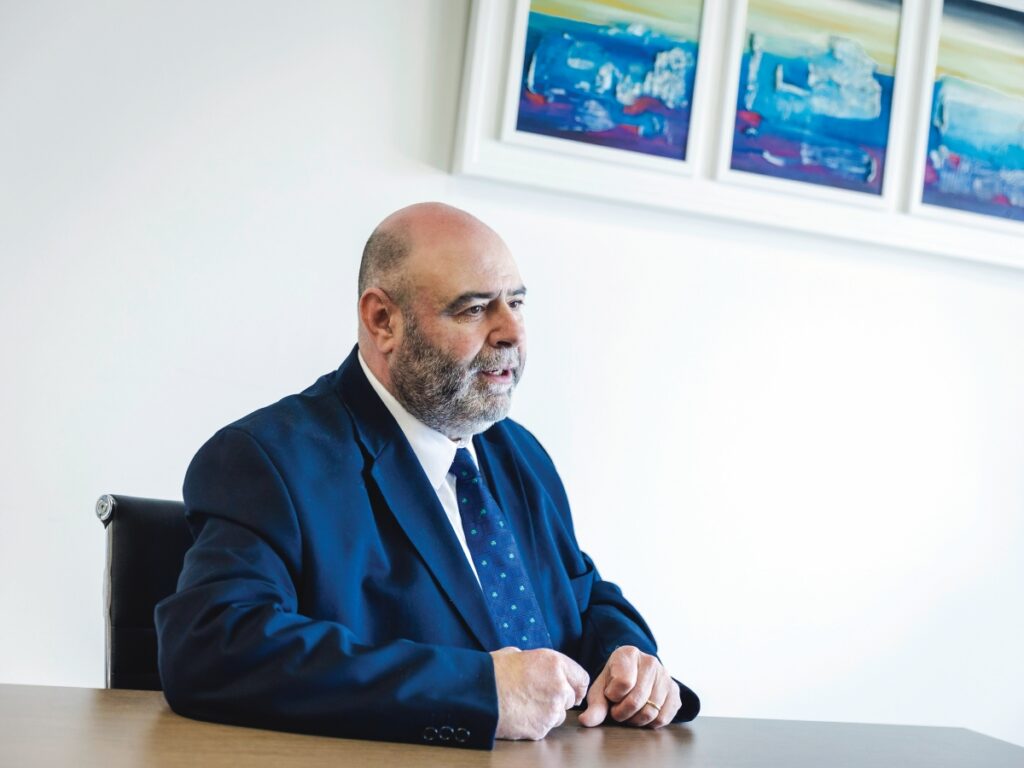
The word sustainable has been bandied around widely in recent years, becoming a buzzword and arguably losing some of its meaning. No less in the tourism sector. Yet for Leslie Vella, Deputy CEO, it remains the cornerstone of the Malta Tourism Observatory.
“We would be better served if we thought of sustainability as a guiding principle, rather than just as an adjective, signifying a balance between what we take and what we give,” he says, noting that the philosophy sits at the heart of the Malta Tourism Observatory, set up in 2022 as part of the Tourism Strategy 2021–2030. Its purpose is to measure, analyse and critique the effects of tourism – and the effects tourism has in return – in a structured, objective and data-driven way.
“The observatory signals that the industry has reached a new level of maturity, and that the country has developed to a point where it is willing to examine itself critically. Countries with long-standing and sophisticated tourism industries, such as the UK, Italy, Spain or France, do not leave tourist arrivals to chance. They study the various related phenomena in depth: what drives bookings and what doesn’t. It is all about being a destination that takes itself seriously.”
Framing this development within the context of Malta’s tourism evolution, it becomes a natural progression for an industry that has come a long way.
“In the 1950s, tourism was limited in scale and scope. Suffice it to say that in 1958, the first year records for tourist arrivals were kept, the island welcomed 12,000 visitors. Today, that number is easily reached within 48 hours of a normally busy August. Then, tourism was seasonal and depended almost entirely on the UK. Malta gradually began widening its reach, increasing connectivity and attracting investment in hospitality, particularly in the 1960s. By the end of that decade, arrivals reached 200,000, and the mass-market travel boom of the 1970s strengthened the sector, despite its continued dependence on the British market; the establishment of Air Malta in 1974 proving to be another watershed moment,” Mr Vella explains.
By the 1990s, Malta sought to develop specific niches such as MICE, English-language learning and leisure diving, in a bid to bolster the still-slow shoulder months.
“These initiatives extended the season, brought new visitor profiles and widened the catchment to more countries, yet Malta was not yet considered a first-choice destination. The real revolution came in the new millennium with the embracing of low-cost carriers, internet bookings and shorter, more frequent stays.
That transition brought exponential growth and, more importantly, a critical mass. Today Malta occupies a respectable place in people’s minds as a destination for family holidays in numerous countries,” Mr Vella maintains.
This growth brings with it a range of issues that require specific attention, and that is what the observatory is tasked to do. “Tourism is neither all good nor all bad,” Mr Vella clarifies. “Its economic contribution to the country is plainly undeniable, yet so are the real challenges it presents, such as the carbon footprint generated by touristic activity, environmental pressures, food waste, and the delicate balance required to safeguard natural and cultural assets. The observatory exists precisely to evaluate all of this.”
The Malta Tourism Observatory is also interested in widening its lens to study broader phenomena that could impact tourism.
“How is global warming affecting the tourism industry? Will our Mediterranean summers remain bearable for visitors? Do we need to consider creating more shaded spaces in our public environments – something that would benefit not only our international guests, but locals alike?” asks Mr Vella.
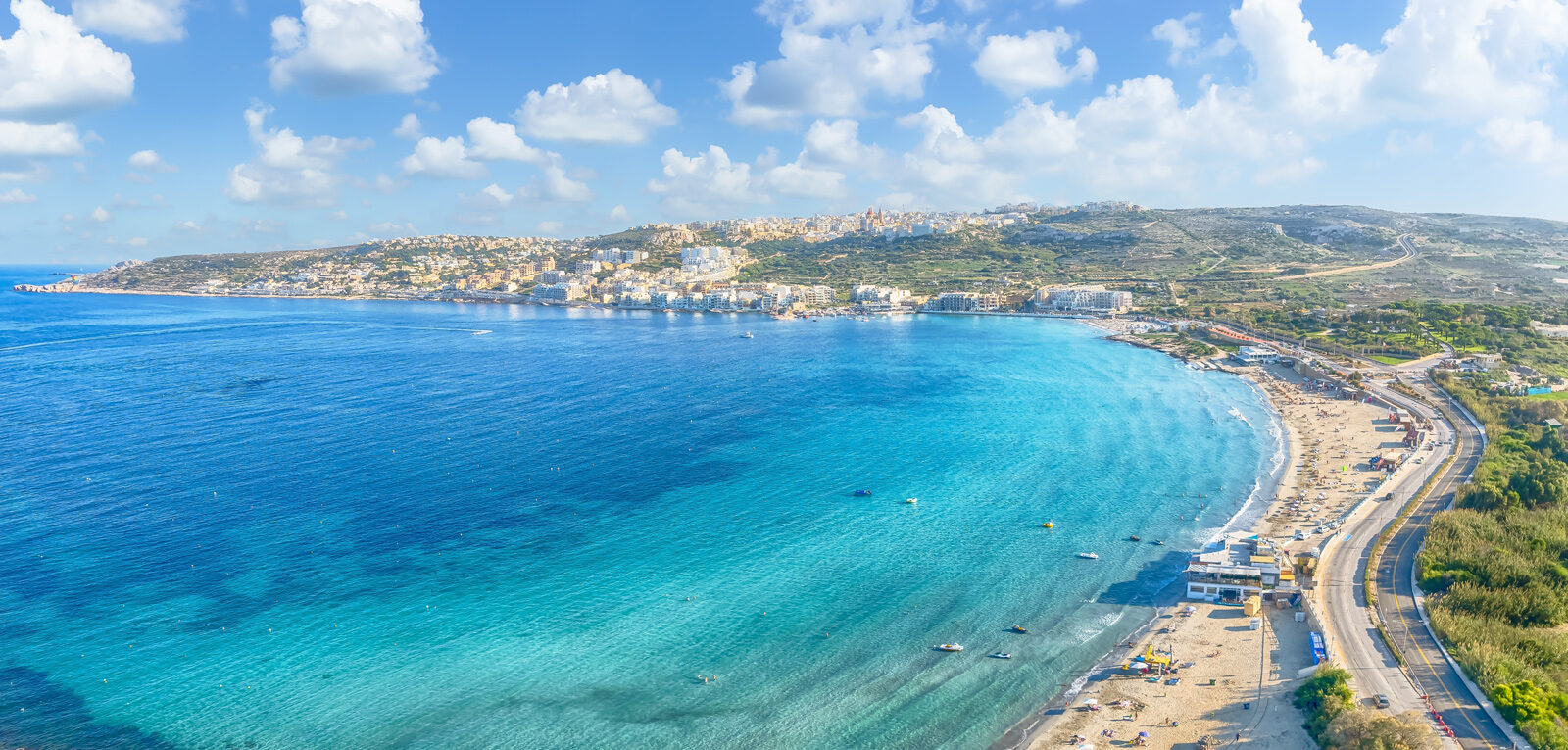
“Changes in rainfall could reshape entire landscapes, affect the food chain and impact the production of staple favourites such as strawberries or lampuki (a locally caught popular fish), constituting a serious shift to Malta’s identity and offerings. Rising sea levels, predicted for decades, introduce another layer of long-term risk, threatening the very existence of beaches along Malta’s shores. The Observatory’s work provides a wide view of interconnected elements and the long-term vision required to adapt to them,” Mr Vella continues.
This holistic approach also underpins several projects housed within the Observatory, from tourism sustainability indicators to climate-related scenario planning and the development of Malta’s Tourism Satellite Account. Other initiatives include the branding footprint study, the Murmuration platform using satellite and AI data, international partnerships such as SUNx Malta and the t-Forum, as well as the extensive digitisation of Malta’s tourism archive. Together, they create a structure that continuously examines, challenges and informs Malta’s strategic direction, placing the country alongside more established observatory-led systems.
Also remarkable is the level of detail the observatory pursues, seeking and promoting specific niches of interest that go beyond the usual ‘greatest hits’.
“Recently we have grown interested in reviving the Maltese red orange, which distinguishes itself from the similar Sicilian variety as it blends both red and orange within its juicy flesh,” Mr Vella notes.
The orange variety is said to have been a favourite of French regnants, primarily Louis XIV, who from Versailles would send his envoys to secure a steady supply, with the Knights of St John naturally being more than happy to oblige. The delicious larinġ ta’ Malta (Maltese orange) quickly found a place of honour in the repertoire of world-renowned French cuisine, developing the Sauce Maltaise, a variant of the time-honoured Sauce Béarnaise.
“Preserving and regenerating such elements is not nostalgia. It serves the wider purpose of elevating what makes Malta unique. Tapping into our historical and gastronomical heritage is just one way of creating a unique offering. We have much to learn from neighbouring countries that take inordinate pride in the provenance, production and safeguarding of their produce. Apart from being a lucrative business, it also creates niches of interest that attract quality visitors.”
This ties into a growing shift towards participatory tourism, in which visitors do not simply observe but take part in local life, from village feasts to agricultural experiences. Such engagement enhances authenticity and naturally stimulates a rise in quality.
“We need to start with quality first, and then, once the product is capable of competing at a certain level, it will automatically fetch a higher price. Quality, in this sense, is not artificially created but emerges when tourism aligns more closely with community, place and value,” Mr Vella concludes.
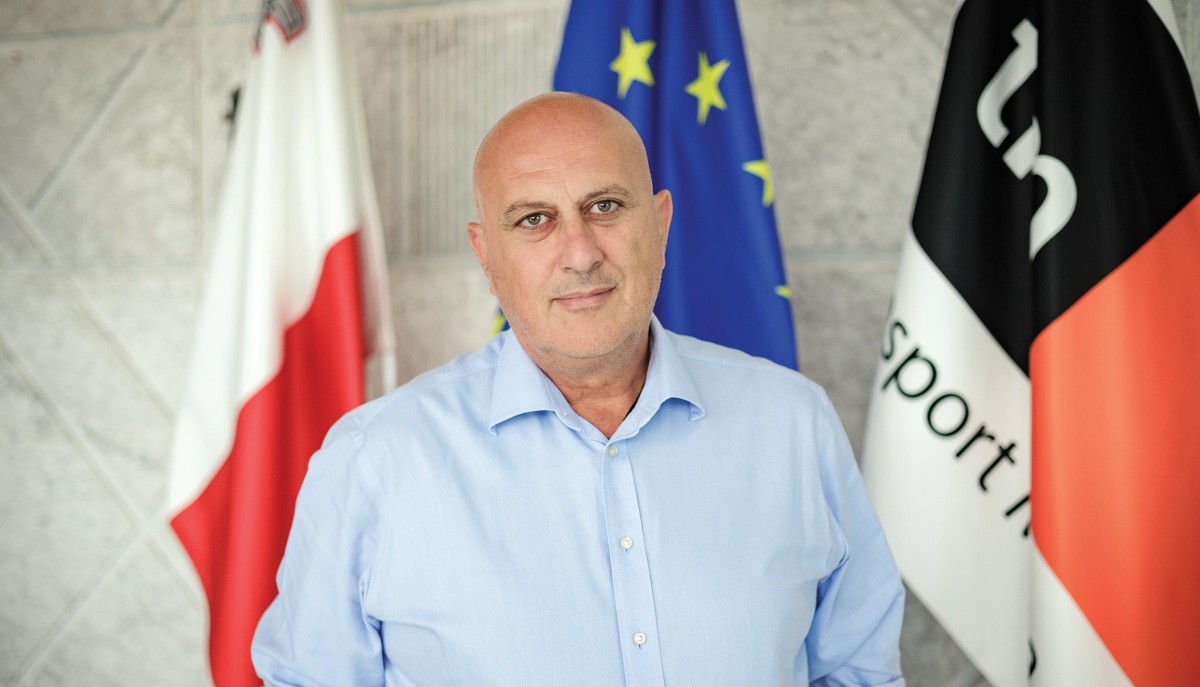
Images: Leslie Vella / Inigo Taylor
This article was first carried in the 2026 edition of Malta Invest, the sister brand to MaltaInvest.mt and produced by Content House Group.
Share
Written By Edward Bonello
Edward Bonello is a content writer, PR consultant and generally chill fellow. When he’s not happily tapping away at his laptop, he enjoys collecting useless trivia, watching B-movies, and cooking the most decent carbonara this side of Trastevere.

Continue Reading
Malta’s Economic Sectors