


Curating an encounter with Malta’s historical legacy
As part of its efforts to bring the broader community into closer contact with the legacy of Malta’s yesteryear, Heritage Malta has launched a series of initiatives aimed at the local and international corporate community

Written By Rebecca Anastasi
Published on 6 March 2026
•
8 min read
Share





From the ornate ceilings at the Grand Master’s Palace to the labyrinthine limestone tunnels at St Paul’s Catacombs and the breath-taking sunrise over the ancient megalithic structures of Ħaġar Qim and Mnajdra, Malta’s heritage sites are places where memories are forged through powerful encounters with the islands’ prehistoric, Baroque and more modern past. Hundreds of thousands of tourists have thronged these sites over many decades, driven to see and feel the intensity of an ever-present history. Yet few have experienced the intimacy of these locales – a shortfall Heritage Malta is intent on remedying
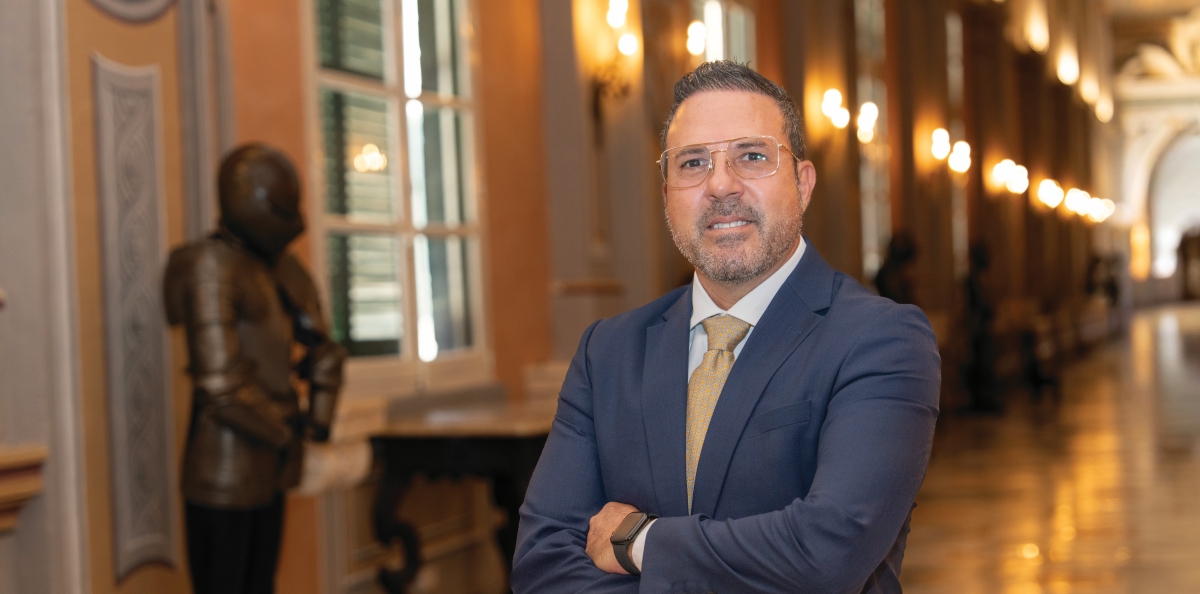
Indeed, as part of its efforts to bring the broader community into closer contact with the legacy of Malta’s yesteryear, the entity has launched a series of initiatives aimed at the local and international corporate community, explains Heritage Malta CEO Noel Zammit. These serve to bring business leaders, C-suite executives and the human resource talent that powers industry into contact with the country’s cultural heritage through custom-made and immersive experiences. “High-end business clients expect exclusivity, discretion and a sense of distinction. To this end, Heritage Malta is offering a rare blend of cultural prestige and personalised service, positioning our sites as venues of experience rather than simply locations,” Mr Zammit attests.
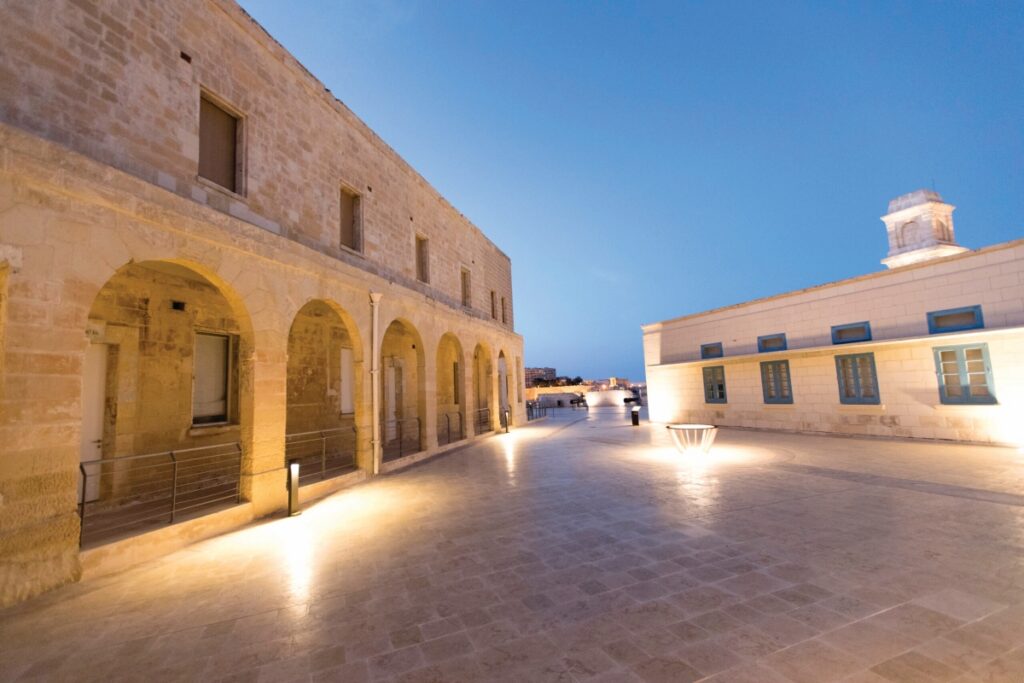
These luxury packages offered by the entity “are designed to elevate Malta’s cultural heritage into an exclusive, experiential product for discerning audiences, in our effort to reach as many people as possible and disseminate Malta’s heritage even further,” the CEO says. Through such offerings, Heritage Malta aims to open the doors to Malta’s most iconic sites – including the Grand Master’s Palace, Fort St Angelo and the Inquisitor’s Palace – for private, tailor-made tours.
Heritage Malta thus provides bespoke itineraries and curated access to closed areas after hours, as well as cultural performances and fine-dining events at key historical landmarks. Such events often also feature “custom menus grounded in history and designed by local chefs. Moreover, the luxury packages may include behind-the-scenes visits to conservation laboratories, private viewings of artefacts, or themed tours led by subject experts who elevate the experience through their knowledge and storytelling,” the CEO notes.
These unique experiences “are aimed at high-net-worth visitors, corporate groups and international delegates seeking a meaningful and authentic engagement with Malta’s heritage,” Mr Zammit explains.
Through such offerings, “we ensure each engagement reflects the brand stature and values of the client. In essence, we provide a cultural signature to corporate events – something that a conventional venue cannot replicate. Furthermore, these exclusive encounters transform visits into deeply personal, educational and memorable moments, making them ideal for small corporate groups, executive incentives, or highprofile delegations,” he underscores.
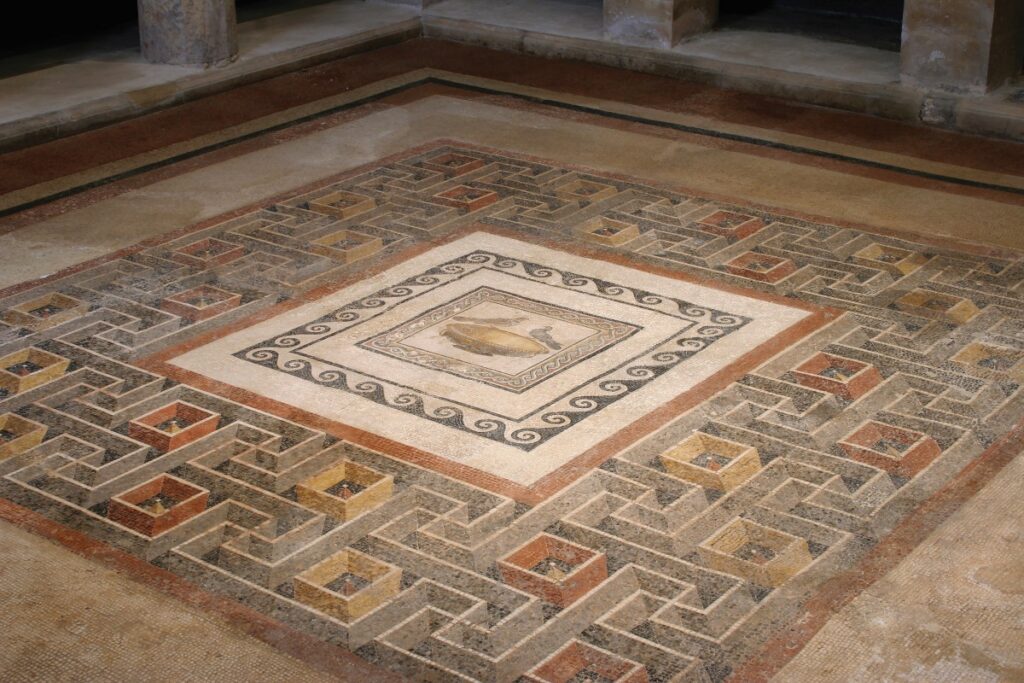
Elaborating, Mr Zammit shares that recent events have included “exclusive dinners and brand activations at Fort St Angelo, executive receptions at the Grand Master’s Palace and private, curator-led tours across several heritage locations, including access to sites that are usually closed.”
The unique selling proposition of these events lies in their “authenticity” and “storytelling power”, the CEO continues. “While other venues across the island can also offer luxury, Heritage Malta does more: we present, for instance, a 16thcentury setting overlooking the Grand Harbour, brimming with emotional and historical depth. There is also the possibility of hosting a gala dinner within a restored palace or fortress. This creates an immersive, once-in-a-lifetime experience where every wall and artefact contributes to the event’s narrative,” he says, adding that “these spaces connect guests to Malta’s cultural identity and history in a tangible, memorable way.”
Heritage Malta is also leveraging digital technologies to further enhance these experiences. “We are actively investing in Augmented Reality (AR), Virtual Reality (VR) and interactive storytelling to boost visitor engagement. For instance, immersive VR experiences of the Grand Master’s Palace and Malta’s underwater wreck sites are already available for the public.
For corporate clients, this technology allows us to extend exclusivity beyond physical access, offering private guided tours with leading experts, immersive historical reconstructions and digital extensions of event content. This blend of innovation and tradition reinforces Malta’s positioning as a forward-thinking cultural destination,” Mr Zammit explains.
Yet hosting these events “requires careful balance between access and preservation,” owing to the sensitivity of the landmarks involved. “We have clear Standard Operating Procedures covering logistics, security, conservation, and visitor flow. Our team works closely to ensure that each overall set-up respects the site’s integrity, that equipment use is non-invasive and that security is managed seamlessly. As a result, each event is assessed on a case-by-case basis, with detailed risk evaluations and on-site supervision,” the CEO explains. In other words, the initiatives typically involve “high-level logistical coordination,” he insists, explaining that “each event is meticulously tailored, from lighting design and entertainment to curator-led storytelling, historically inspired menus and paired fine wines.”
Looking more broadly at its relationship with the islands’ corporate community, Heritage Malta is also investing in corporate partnerships with conscientious collaborators keen to participate in safeguarding and celebrating Malta’s cultural legacy.
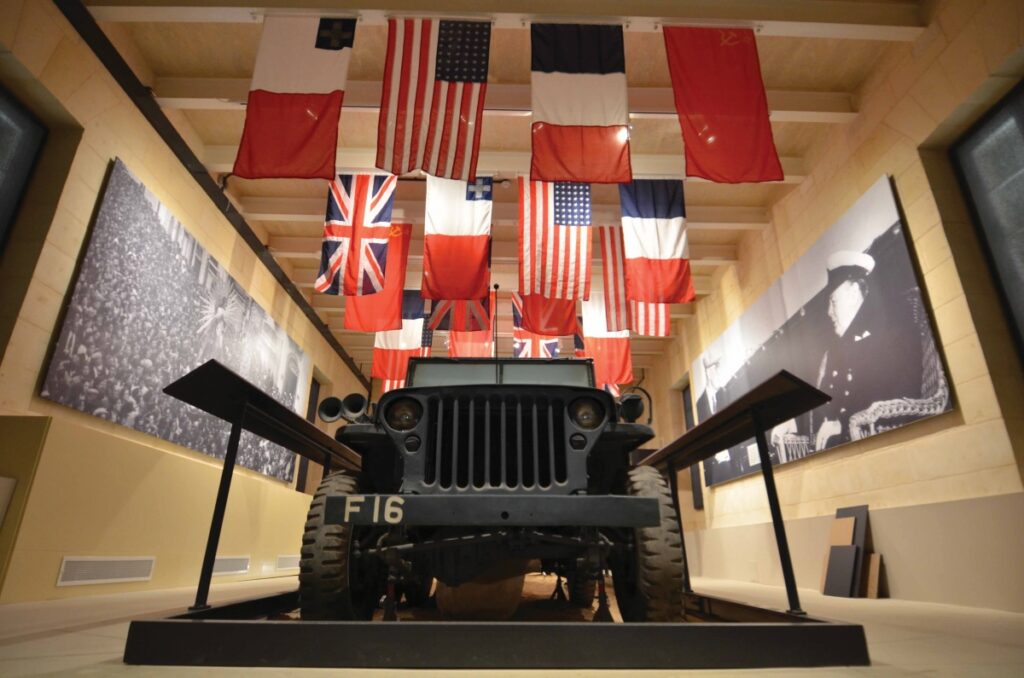
“We seek partnerships that share our values of authenticity, sustainability, cultural preservation, and excellence. Collaborations must reinforce the integrity of our national heritage and align with Malta’s broader positioning as a destination for quality and sustainable tourism. We welcome partnerships with organisations from sectors such as luxury travel, finance, arts, innovation, and hospitality, provided they contribute positively to Malta’s cultural narrative and long-term heritage conservation goals,” Mr Zammit says.
One of the vehicles through which such partnerships are being formalised is the Corporate Patronage Programme. This offers businesses access to the entity’s high-end luxury offerings while also providing “the opportunity for patrons to associate their brand with national heritage and cultural excellence – strengthening their corporate identity while engaging employees and clients in a meaningful cause,” he explains.
However, there is no one-size-fits-all approach and there are myriad options for businesses and corporate leaders keen to become Heritage Malta patrons, such as memberships for individuals and companies wishing to sponsor a single event.
Furthermore, Heritage Malta is open to what it terms “legacy patronage” – an opportunity to secure a lasting mark in history by bequeathing assets or funds, whether modest or substantial, to support restoration and maintenance projects. Financial investment is only one avenue for participation: there are also opportunities to help safeguard Malta’s heritage through action, with the entity welcoming those willing to volunteer their time in Heritage Malta museums or within its educational initiatives.
“Partnering with Heritage Malta allows individuals and companies to contribute directly to the preservation of national heritage. Revenues generated from these collaborations are reinvested into site restoration, education programmes and cultural accessibility initiatives. This makes every event or investment socially responsible and culturally enriching, offering our corporate partners, in particular, a measurable CSR impact that may align with their sustainability and community engagement objectives,” Mr Zammit says.
Looking ahead, Heritage Malta plans to target international markets further, with the entity keen to continue attracting global business clients to experience its bespoke experiences.
“We are currently focusing on the UK, French, Polish, American, and Asian markets, targeting luxury travel operators, event planners and corporate networks with an interest in cultural destinations. Our strategy includes collaboration with Malta’s tourism stakeholders, international PR and trade participation, as well as digital storytelling campaigns positioning Malta as a premier destination for luxury cultural experiences,” the CEO explains.
Concluding, the CEO adds that, following extensive restoration projects undertaken at several sites – including the Grand Master’s Palace – Heritage Malta will now be able to offer exclusive and high-end corporate event opportunities across a wider array of landmarks.
“The Grand Master’s Palace has undergone major restoration work, and so have the Malta Maritime Museum and Fort St Elmo. The latter now boasts a state-of-the-art kitchen which will truly transform the visitor experience in the 16th-century fort. In addition, Villa Guardamangia and Villa Portelli are in the pipeline as major projects under the remit of Heritage Malta, each planned to offer unique thematic possibilities.” These projects, he insists, “will further expand Heritage Malta’s portfolio of premium, culturally rich venues, ensuring continued innovation and sustainability in our offering.”
This article was first carried in the 2026 edition of Malta Invest, the sister brand to MaltaInvest.mt and produced by Content House Group.
Share
Written By Rebecca Anastasi
Rebecca is a seasoned editor and journalist of all things business. She has interviewed stalwarts of the business community, and is interested in politics, current affairs and their effects on culture. On a parallel track, she is also a filmmaker, with over 16 years of industry experience. She loves food – though not necessarily cooking – and having passionate conversations about the latest film and book titles.

Continue Reading



Malta’s Economic Sectors