


 Latest News ‘For Malta’s financial services sector, perception matters as much as performance’ – Bernice Buttigieg
 ‘For Malta’s financial services sector, perception matters as much as performance’ – Bernice Buttigieg
FinanceMalta’s Chief Strategy Officer explains the sector’s growing sophistication its sharper strategic focus on areas that serve the country

Written By Edward Bonello
Published on 5 March 2026
•
6 min read
Share





Over the past few years, the Maltese financial services centre has undergone substantial realignment in response to both domestic exigencies and external pressures.
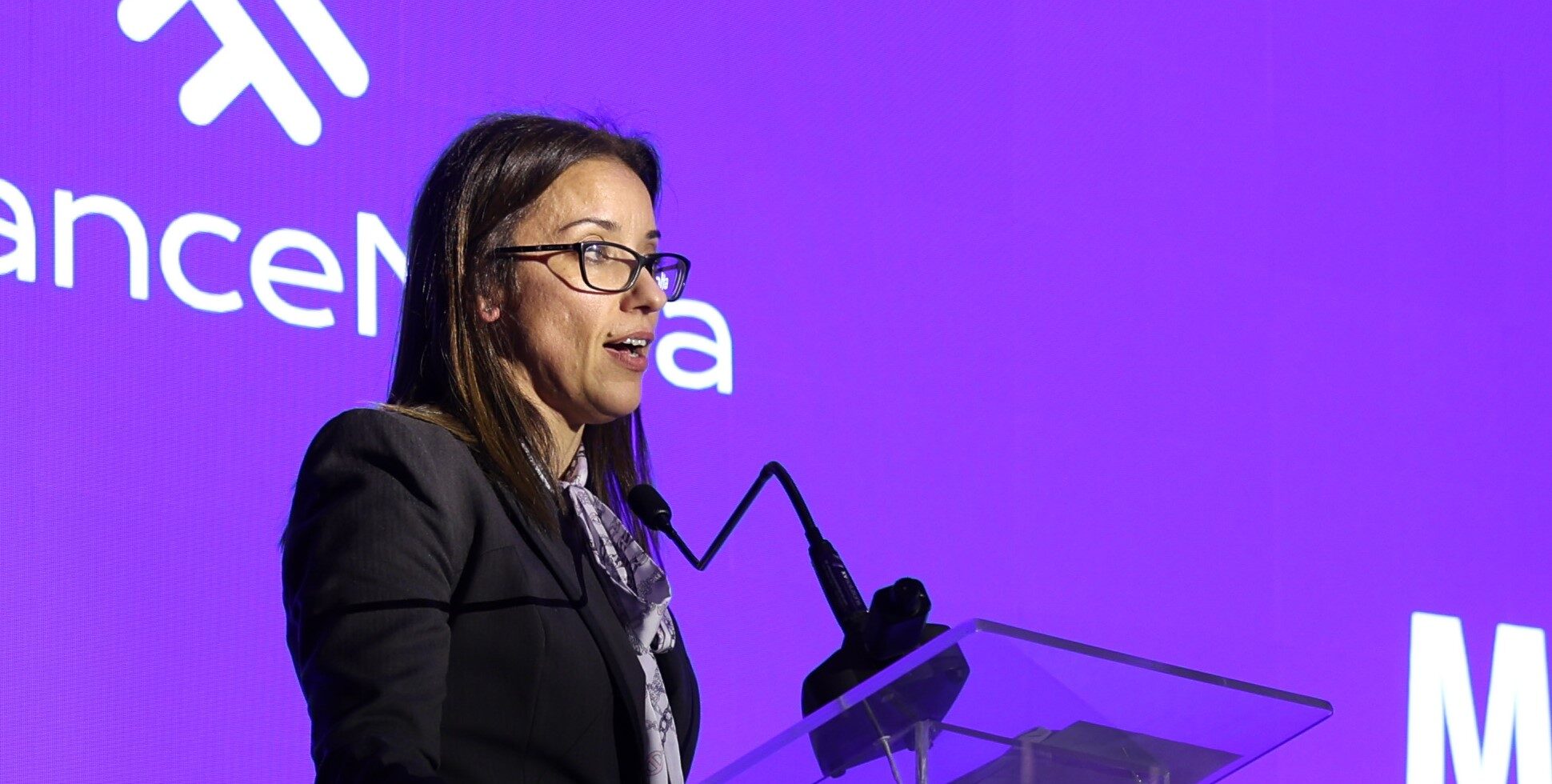
According to Dr Bernice Buttigieg, Chief Strategy Officer at FinanceMalta, the Financial Services sector’s development reflects coordinated regulatory reform, targeted strategy execution through the Malta Financial Services Advisory Council (MFSAC), as well as a clear shift from opportunistic growth toward depth and sustainability.
Dr Buttigieg describes Malta’s brief grey listing period as a catalyst for change.
“It was a very challenging period. Today, we look back at how we managed to turn this into an opportunity to accelerate improvements in compliance frameworks and supervisory practices. This laid the groundwork for Malta’s strong global repositioning, and today, we are seeing the fruits of these combined efforts.”
A major outcome was the birth of the MFSAC in 2023, a unique public‑private collaboration designed to set and implement a long‑term strategy for Malta’s financial services sector.
“We established working groups across key verticals such as banking, insurance, digital finance, funds and pensions with the Malta Financial Services Advisory Council (MFSAC) driving an accelerated alignment of policy, regulatory frameworks and industry best practices. This cross‑sectoral approach is ensuring that initiatives such as aircraft leasing legislation, tax framework modernisation and trust regime enhancements are coordinated and consistent with international standards,” Dr Buttigieg explains.
Three years since the launch of the MFSAC’s strategy, two thirds of the projects earmarked have been initiated or concluded and substantial progress has been recorded across most other segments.
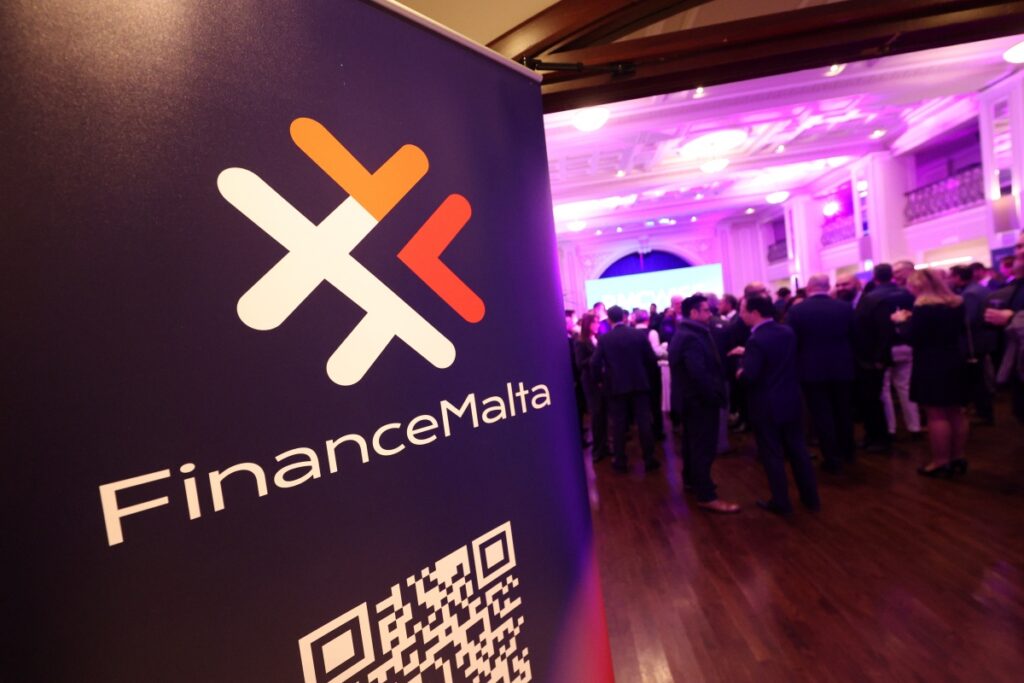
Furthermore, Dr Buttigieg reflects on FinanceMalta’s flagship event, the annual conference held last November which amplifies themes around innovation and quality.
“The conference was a tangible show of the maturity of Malta’s industry and its willingness to engage with global leaders on strategic topics. With discussions around fintech, ESG integration, AI applications in finance and specialised services like family offices, I felt that the conference confirmed Malta’s readiness to continue evolving in response to shifting client expectations and regulatory trends.”
Looking forward, Dr Buttigieg notes how FinanceMalta has identified Fintech, Fund and Asset Management, Family Offices, Private Wealth, Captive Insurance and Reinsurance, and Insurance-Linked Securities (ILS) amongst the top sectors the country will be pushing in 2026.
“Fintech remains a key focus for us. With the early adoption of the Virtual Financial Assets Act, Malta positioned itself as a forward‑looking hub for digital assets, giving local operators a head start in aligning with European frameworks such as MiCAR. With increased expectations around operational resilience under DORA and heightened digital finance standards, our emphasis will need to continue ensuring robust compliance without stifling innovation. This will be essential to sustaining investor confidence and ensuring credibility as the sector continues to grow,” Dr Buttigieg adds.
In terms of fund structures, Dr Buttigieg explains how Malta’s EU membership and regulatory passporting have helped Malta position itself as a competitive jurisdiction and how updates such as AIFMD II offer greater flexibility for fund distribution across EU markets. She noted how this directive allows AIFs in Member States where local depositary services are limited, such as in Malta, to appoint a depositary located in another EU country, subject to conditions and competent authority approval.
“This is not a full passport, but it enhances operational flexibility,” Dr Buttigieg explains. “Since Malta’s local depositary market is comparatively small, the new derogation allowing for the appointment of an EU depositary for Malta‑domiciled AIFs is particularly significant. Furthermore, improvements in trust and fiduciary standards continue to emphasise Malta’s attractiveness.”
“Our ongoing work with regulators and industry partners has also streamlined processes for fund establishment and management, which is particularly pertinent as institutional investors seek jurisdictions that offer both regulatory certainty and operational efficiency.”
In terms of private wealth, Dr Buttigieg notes Malta’s meaningful steps to expand its private wealth proposition. “Regulatory enhancements facilitate the establishment of single‑family offices, through light‑touch frameworks tailored to their specific needs – a set-up which is being complemented with fiscal incentives such as preferential tax treatment for senior employees of family offices, which have been introduced to attract global talent and leadership. The result is a more competitive ecosystem for family‑office structures, supported by comprehensive legal and operational infrastructure, from fiduciary services to private banking and wealth management,” adds Dr Buttigieg.
Captive insurance and reinsurance have started to represent a particularly high-quality growth opportunity for Malta, combining long-term commitment, operational substance and sophisticated risk management. As corporates face persistent volatility in traditional insurance markets, captives are increasingly viewed not as niche vehicles but as core components of enterprise risk strategies.
“Malta is well positioned to capitalise on this shift by attracting US and multinational groups seeking EU-based substance, especially mid-sized captives that value regulatory accessibility and cost efficiency alongside credibility” says Dr Buttigieg.
“The jurisdiction’s well-established PCC and ICC frameworks, supported by an English-speaking regulator and full EU passporting, present an attractive opportunity for reinsurance captives, fronted structures, and ESG-linked captives focusing on climate, cyber, and supply-chain risks. This segment offers investments with structures that are more likely to grow locally rather than move elsewhere over time.”
Dr Buttigieg notes how insurance-linked securities and alternative risk transfer offer Malta a strategic opportunity to occupy a differentiated position within Europe. “While global demand for ILS solutions such as cat bonds, parametric insurance and collateralised reinsurance continues to grow, Europe remains underserved by competitive, well-integrated domiciles. This is where Malta could position itself as a European gateway for ILS by leveraging its experience in both insurance and fund structures, particularly as AIFMD II enables greater flexibility for alternative investment vehicles.”
“High-potential niches include climate-related and parametric risk transfer, ILS funds aligned with EU frameworks, and hybrid insurance-fund structures.”
Responding to occasional criticisms of Malta’s financial reputation and regulatory oversight, Dr Buttigieg is unequivocal. “Perception matters as much as performance. Past criticisms compelled us to address gaps in transparency and governance. Today, our collaborative approach, anchored by MFSAC and supported by regulatory advancements reported by the MFSA, demonstrates that Malta not only meets global standards but is committed to continuous improvement,” she asserts. “Rather than seeking short-term accolades, all stakeholders are aligned in building long-term credibility and operational excellence.”
Looking ahead to 2026, Dr Buttigieg outlines three priorities for global investors and intermediaries monitoring Malta. “Specialisation, quality and collaboration will be central. Specialisation in sectors where Malta has competitive advantages such as fintech, structured products, alternative funds and private wealth, will be paramount. Quality in regulatory frameworks, service delivery and risk management will remain non-negotiable. And collaboration, through mechanisms such as MFSAC, FinanceMalta and industry-led initiatives, will continue to underpin our progress.”
“Our ambition is for Malta to be recognised not as a generalist jurisdiction, but as a sophisticated, credible and strategic partner in global finance,” she concludes.
Share
Written By Edward Bonello
Edward Bonello is a content writer, PR consultant and generally chill fellow. When he’s not happily tapping away at his laptop, he enjoys collecting useless trivia, watching B-movies, and cooking the most decent carbonara this side of Trastevere.


Continue Reading



Malta’s Economic Sectors