

 Latest News Maltese Government welcomes EU Commission ETS revision, praises number of amendments
 Maltese Government welcomes EU Commission ETS revision, praises number of amendments
The ETS is the European Union’s carbon pricing mechanism, which places a cost on emissions from shipping, aviation and other sectors

Written By Kevin Schembri Orland
Published on 20 July 2026
•
3 min read
Share





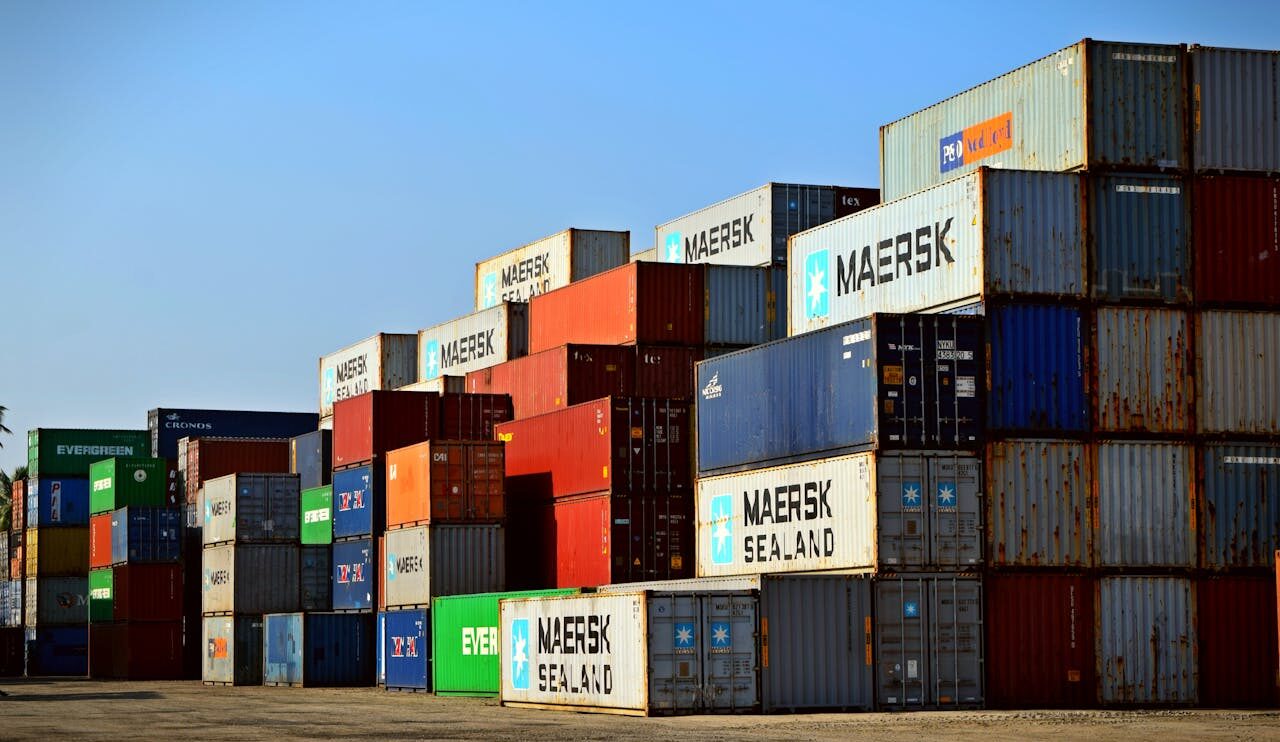
The Maltese Government has welcomed a proposal by the EU Commission for transhipment operations involving cargo arriving from non-EU ports and not destined for the European Union to no longer be subject to Emissions Trading System (ETS) charges.
This, the Government said, is a significant achievement for Malta Freeport, safeguarding its competitiveness against rival transhipment hubs outside the European Union.
It expressed its satisfaction that the European Commission’s revised Emissions Trading System (ETS) proposal incorporates a number of key Maltese priorities. The ETS is the European Union’s carbon pricing mechanism, which places a cost on emissions from shipping, aviation and other sectors.
“The proposal for the revision reflects several recommendations consistently advanced by the Government throughout the past years following the entry into force of the current system, which recognise the unique realities faced by island states whose economies depend heavily on maritime and air transport.”
The Maltese Government said that while the system is designed to drive down carbon emissions across Europe, its implementation must ensure that island Member States are not placed at a structural disadvantage simply because of their geography.
“These results are the outcome of sustained engagement by Government at European level, backed by continuous consultation with Malta’s private sector. Government worked closely with businesses, industry representatives and operators to understand the practical realities they face and ensure Malta’s position was firmly grounded in evidence, practical experience and economic realities.”
Among the Commission’s proposals, the Government highlighted the Neighbouring Port clause, saying that it has been extended to cover all competing North African ports. “This closes a loophole that previously incentivised shipping operators to make an intermediate stop outside the European Union purely to reduce their ETS costs before entering EU ports.”
Government also welcomed the proposed retention of a dedicated allocation of ETS revenues for Malta, Cyprus and Greece until 2038.
As for aviation, it said that the proposed temporary suspension of full ETS charges on departing flights has been maintained until 2032. This, the Government said, helps safeguard Malta’s connectivity while limiting additional costs for airlines, businesses and passengers.
Minister for Energy, the Environment and the Regeneration of the Grand Harbour Miriam Dalli welcomed the revised proposal, describing it as proof that Malta can achieve meaningful results when it combines ambitious climate objectives with a strong defence of the national interest.
“Climate action must be fair. Island states cannot be expected to carry disproportionate costs simply because of their geography. Throughout its active engagement with the European Commission ahead of this proposal, Malta consistently made the case that Europe’s climate ambitions must go hand in hand with competitiveness, connectivity and fairness. I am pleased that Malta’s realities are reflected in this revision.” She said that the Government looks forward to the negotiations in the Council “where Government will continue working constructively to deliver further targeted support to our businesses and citizens.”
Government maintains that mechanisms which pass ETS-related costs directly onto businesses and consumers must continue to take account of the specific circumstances of island Member States.
Share
Written By Kevin Schembri Orland
Kevin is a senior journalist and business correspondent at Content House. He has a passion for writing and over a decade of experience in the news media sector in Malta.



Continue Reading



Malta’s Economic Sectors