



Winter traffic rises 16% as Malta’s tourism sector beats seasonality
Increase in winter traffic outpaced growth in the summer months by 5 percentage points, according to Malta International Airport

Written By Robert Fenech
Published on 15 January 2026
•
3 min read
Share





Malta’s efforts to tackle tourism seasonality are showing tangible results, with winter passenger traffic rising by 16 per cent year-on-year in 2025 – outperforming summer growth by five percentage points, according to figures released by Malta International Airport (MIA).
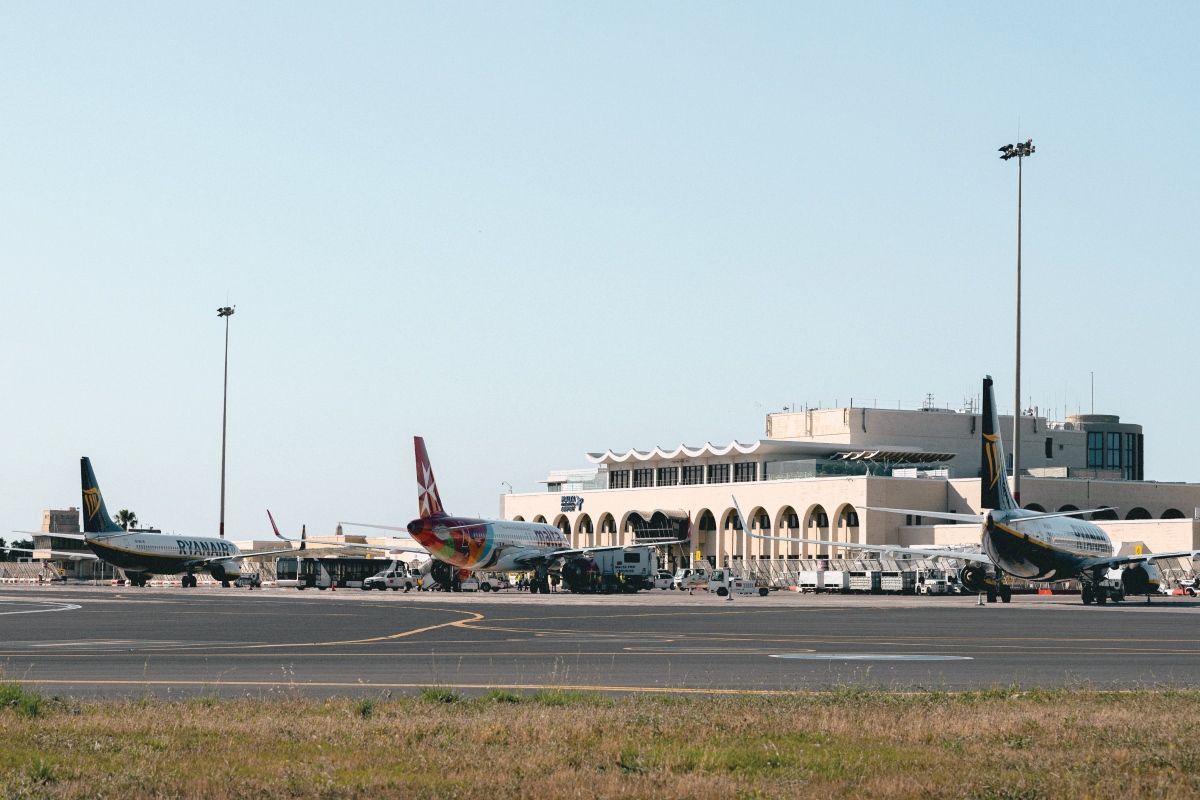
The strong winter performance comes as the airport surpasses the 10 million passenger mark for the first time, underpinned by expanded connectivity, particularly with Northern and Eastern Europe, and a more diversified airline portfolio that is reshaping Malta’s tourism calendar.
In 2025, Malta International Airport was connected to 111 airports across 37 markets, served by 34 airlines. Four new carriers – LOT Polish Airlines, Qatar Airways, SAS Scandinavian Airlines and Volotea – joined MIA’s network during the year, reinforcing the airport’s strategy of balancing low-cost scale with the reach of full-service and flag carriers.
This expanded network supported just over 10.06 million passenger movements for the year, as available seat capacity increased by slightly more than 13 per cent year on year. Seat occupancy levels remained broadly stable, signalling balanced growth rather than capacity-led dilution.
Low-cost carriers continued to play a central role in network expansion. Ryanair, Wizz Air and easyJet increased frequencies and introduced new routes, with a particular focus on Northern and Eastern European markets – regions that are proving increasingly important for winter travel to Malta.
UK regains top spot as Poland surges
The United Kingdom reclaimed its position as Malta’s largest source market in 2025, growing by 17 per cent year on year and accounting for 20 per cent of total passenger traffic. Growth was driven by new and expanded services, including Ryanair’s route to Glasgow, easyJet’s launch of flights to London Southend, and Jet2’s extension of winter operations into the summer season, alongside a new route to Liverpool.
Italy, Poland, Germany and France completed the airport’s top five markets.
Poland stood out as the fastest-growing market, recording a 48.9 per cent year-on-year increase and capturing almost 9 per cent of total traffic. The market climbed from fifth to third place among Malta’s source markets, supported by LOT’s four weekly services to Warsaw, Ryanair’s bi-weekly summer flights to Rzeszów, and Wizz Air’s expansion of its Warsaw route from six weekly flights to daily operations.
Seasonality remains in focus
Looking ahead, Malta International Airport is forecasting approximately 10.5 million passenger movements in 2026, reflecting a strong start to the year, followed by more moderate growth compared with the exceptional performance recorded in 2025.
Route development will continue to prioritise markets that support off-peak travel.
“Our focus remains on building a diversified route network for the Maltese Islands,” said Alex Cardona, Senior Vice President for Traffic Development at MIA. “In 2026, we will continue to grow connectivity across Eastern and Northern Europe and Scandinavia through new routes and additional weekly frequencies.”
He added that the airport is also set to introduce Malta’s first long-haul link to North America operated by a US carrier, with Delta Air Lines launching a new service to New York – a milestone expected to further strengthen Malta’s international accessibility and tourism resilience.
Share
Written By Robert Fenech
Online Business Editor
Robert is curious about the connections that make the world work, and takes a particular interest in the confluence of economy, environment and justice. He can also be found moonlighting as a butler for his big black cat.




Continue Reading



Malta’s Economic Sectors