



Why Malta is the smarter way to structure, scale and grow
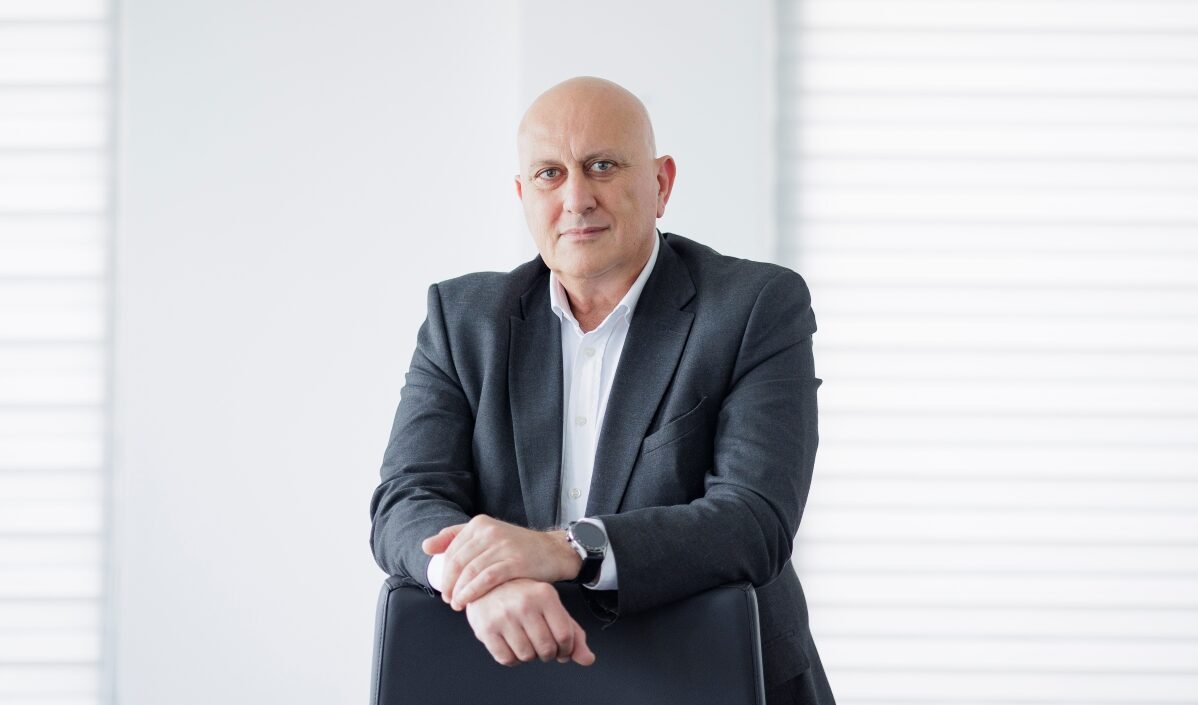
Daniel Bezzina, Managing Director of Capservices Limited, shares why more international businesses are choosing Malta and how the reasons increasingly go far beyond tax benefits

Written By Malta Invest
Published on 29 January 2026
•
6 min read

Share





Malta’s profile among international investors has been steadily rising in recent years. Rankings reflect this, with the country climbing 50 places in 2025 to rank 33rd globally for foreign investment attraction. But these figures alone don’t tell us why.
That clearer picture often comes from those working on the front lines, communicating daily with businesses considering their next move. Daniel Bezzina, Managing Director of Capservices Limited – a Company Service Provider (CSP) authorised by the Malta Financial Services Authority and backed by the highly regarded Capricorn Corporate Services group in the UK – has been seeing interest grow first-hand. What has been standing out more and more, he says, is not only the rise in enquiries, but how familiar those clients are with Malta when conversations begin.
“Most of the clients who reach out to us are already well aware of Malta,” Mr Bezzina notes. “They’ve done their research. They understand the benefits. What they want now is reassurance that the structure holds up, that the compliance is real, and that the move makes sense beyond the financial aspects.”
It’s this wider perspective that is becoming crucial to why so many businesses are deciding to relocate to Malta. CEOs and entrepreneurs are also weighing the lifestyle, educational, healthcare and other factors alongside financial considerations.
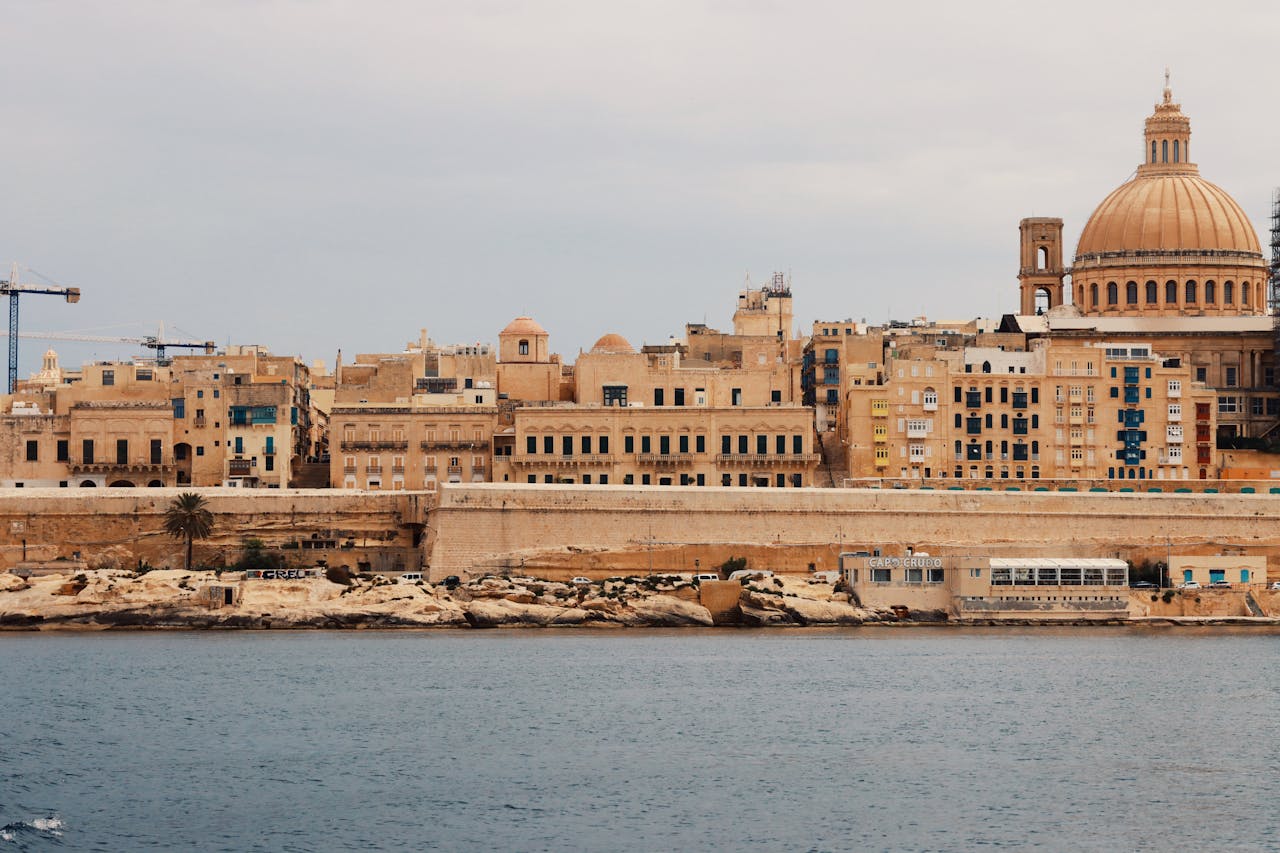
As Mr Bezzina observes, “How often do you find a professional business hub where you can leave a board meeting and be by the harbour 15 minutes later taking in the views?” These smaller, everyday details are increasingly tipping the scales in Malta’s favour.
Of course, Malta’s appeal as a business hub goes beyond climate and coastal views. Its location in the heart of the Mediterranean plays a strategic role in how today’s businesses can operate and expand. Equidistant between mainland Europe and North Africa, Malta connects the EU Single Market with emerging commercial corridors and fast-growing Mediterranean trade routes.
As Mr Bezzina explains, “A Malta-registered company gains direct access to more than 450 million EU consumers, alongside the credibility that comes with EU regulation, eurozone stability and Schengen mobility.”

No wonder there has been growing interest from UK businesses navigating the post-Brexit landscape, as well as from investors based further afield. “Malta often acts as a gateway back into the EU regulatory space,” he explains, “without the complexity of re-establishing operations in large, high-cost member states.” For businesses from the Middle East, Africa and Asia, he adds, Malta offers “a culturally familiar landing point into Europe that’s English-speaking, while being commercially aligned and logistically well-placed.”
Tax is another big draw when it comes to relocating a business to Malta, and with good reason. The country’s system is frequently described as one that “turns 35 per cent into five per cent”. Catchy, yes, but also grounded in how Malta’s full imputation system actually works.
While the standard corporate tax rate stands at 35 per cent, shareholders may be entitled to tax refunds once profits are distributed, often reducing the effective tax rate for trading companies to around five per cent. For holding structures, the participation exemption can further reduce dividend income and capital gains to a zero effective tax, where conditions are met.
“Over time, that difference compounds,” Mr Bezzina notes. “ That means a Maltese structure can retain as much as 90 to 95 percent of profits. This is vital capital that can be reinvested, used for acquisitions, or strengthen long-term runway.”
Crucially though, Mr Bezzina is keen to point out that this is not a tax-haven proposition. Malta operates within a highly regulated, EU-aligned and OECD-compliant framework. “Compliance, substance and transparency are central to how the system functions, and at Capservices, we take that responsibility incredibly seriously,” he says, explaining that each client undergoes rigorous onboarding, including Anti-Money Laundering checks, source-of-wealth and source-of-funds verification, and ongoing monitoring.

Such regulation may be robust, but Mr Bezzina also believes it is highly efficient. “Over the years, our systems and processes in Malta have been refined to the point where compliance doesn’t tangle businesses up in lengthy beaurocracy. With the support of an experienced CSP like Capservices, company incorporation can often be completed within days, with businesses operational within weeks, provided documentation is in order.”
This balance between regulation and efficiency has made Malta particularly attractive to sectors that value clarity over shortcuts. Financial services, investment funds, iGaming, aviation and aircraft leasing, maritime and yachting, as well as technology, SaaS and fintech, have all found fertile ground here. The island has also built a deep pool of specialised talent and professional expertise to support these industries as they scale.
It may all sound compelling in theory, but Mr Bezzina is clear that it holds up in practice. He points to a recent digital trading company that relocated to Malta with annual profits of €1.2 million. While the headline corporate tax stood at 35 per cent, a €360,000 refund reduced the company’s final tax cost to just €60,000, allowing it to retain €1.14 million in profits. “That’s significantly more than the €780,000 it would have kept in a higher-tax EU jurisdiction,” Mr Bezzina notes, adding that: “They regained flexibility to reinvest and plan long term.”
Another Capservices Limited client, a holding company receiving international dividends, structured its operations so that qualifying income and capital gains were fully exempt. This meant that €4 million in annual inbound dividends were received with a zero effective tax burden, while a €1.8 million gain from a share disposal was retained in full, with no withholding tax applied to non-resident shareholders.
“Instead of seeing value eroded at each stage, they preserved their capital and redeployed it for growth,” Mr Bezzina explains. “I had a conversation with their CFO, and he told me that Malta didn’t just lower its tax bill, it rewrote it.”
Mr Bezzina also notes that tax savings are only part of the picture, as Malta also offers tangible opportunities for reinvestment and growth through targeted incentives. “Through Malta Enterprise, alongside other EU-backed innovation bodies, businesses based here can benefit from grant packages typically ranging from €50,000 to over €200,000, depending on the project, scale and R&D focus,” he says, mentioning that technology-led ventures, fintech, AI development, green initiatives and advanced industry are often prioritised to help these businesses turn their savings into new momentum and gains.
For Mr Bezzina, helping businesses see these possible is the most satisfying part of the job. “A client recently told us before they left, ‘We flew in to explore. We flew out knowing we were returning.’ This captures everything we stand for at Capservices, the trust earned, the value delivered, and the start of a longer partnership.”
That mindset continues to shape how Capservices works with its clients. Whether a business is comparing jurisdictions, assessing grant eligibility, planning its structure or weighing up costs and benefits, Mr Bezzina says the team is there to guide the process every step of the way.
“For those curious about what Malta could offer their business, we are happy to start the conversation. The strongest decisions are informed ones, and having the right partner to guide you through it all makes all the difference,” he concludes.
Share
Written By Malta Invest
This article was written by a team member at MaltaInvest.mt.


Continue Reading


Malta’s Economic Sectors