


Valletta’s tourism numbers highlight its year-round appeal
In December 2025, Valletta recorded a tourism intensity of 55.9, the highest among the localities analysed for the lowest tourism month

Written By Julia Falzon
Published on 15 October 2026
•
2 min read
Share





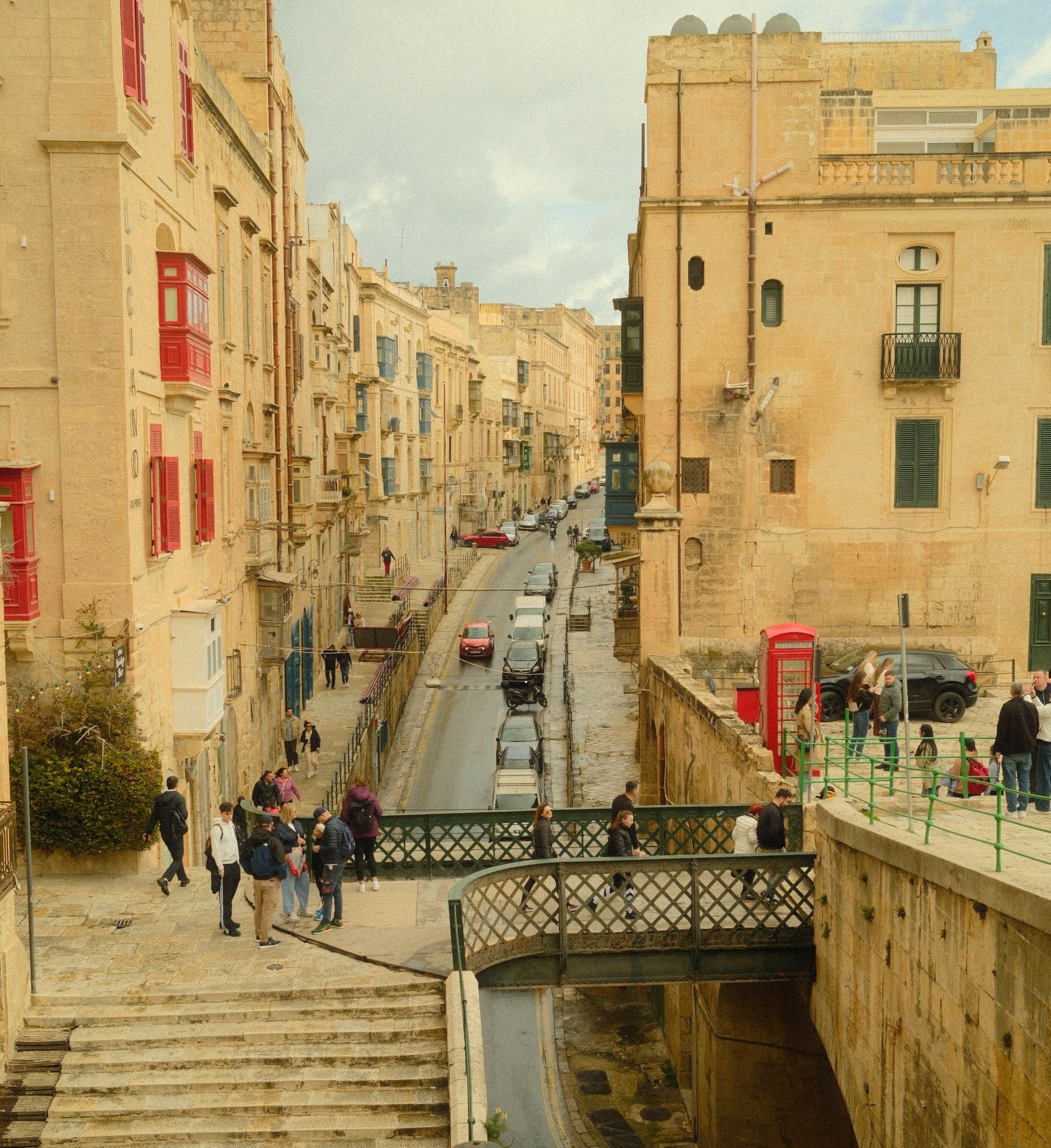
Valletta recorded one of Malta’s highest tourism intensity levels in 2025, with its annual figure rising to 80.5 from 69.9 a year earlier, while the capital also recorded the highest tourism intensity among the localities analysed in December, according to the National Statistics Office (NSO).
The figures highlight Valletta’s continued prominence in Malta’s tourism landscape, with tourism intensity remaining comparatively high even during the quietest month of the year.
According to the NSO’s Tourism Intensity: 2025 report, St Julian’s recorded the highest annual tourism intensity, at 82.9 tourists for every 100 residents, followed by Valletta at 80.5. Valletta registered the largest annual increase among the localities highlighted in the report.
The figures provide a closer look at the distribution of tourism across Malta and its seasonal patterns, offering useful context for readers following the country’s hospitality and property sectors.
The monthly figures reveal a more pronounced difference during the peak tourism period. In August, St Julian’s recorded a tourism intensity of 143.0, equivalent to 143 tourists for every 100 residents. This was an increase of 16.5 compared with 2024.
Valletta’s August tourism intensity reached 98.5, up by 16.4 over the previous year.
In December, Valletta recorded a tourism intensity of 55.9, the highest among the localities analysed for the lowest tourism month. This compares with its August figure of 98.5.
Across the year, tourism added an average of 50,767 people to Malta’s resident population, bringing the effective population to 632,011. The NSO estimated Malta’s usual resident mid-year population at 581,244.
Tas-Sliema and Gżira see higher effective population density
Tas-Sliema recorded a resident population density of 17,703 people per square kilometre in 2025. When the average annual tourist population was included, this increased to 25,268 people per square kilometre.
Il-Gżira recorded an effective population density of 16,425 people per square kilometre. The inclusion of tourists increased its population density by 3,809 people per square kilometre, the largest increase in absolute terms among the localities highlighted in the NSO report.
During August, Tas-Sliema’s effective population density reached 29,023 people per square kilometre. In St Julian’s, the inclusion of tourists added 13,702 people per square kilometre to the population density.
Share
Written By Julia Falzon


Continue Reading
Malta’s Economic Sectors