


 Latest News Private equity and venture capital sector in Malta ‘showing signs of momentum and great opportunity’
 Private equity and venture capital sector in Malta ‘showing signs of momentum and great opportunity’
Private capital brings new impetus and fresh thinking that can take a business to the next level, says PEVCA Malta Chair Martin Galea
Written By Edward Bonello
Published on 16 March 2026
•
6 min read
Share





Private equity and venture capital have long been the unsung heroes behind countless successful ventures in the local economy. However, little has been done to harness their full potential as catalysts for growth in their own right.
PEVCA Malta, the Private Equity and Venture Capital Association, was established to change that – bringing stakeholders together to lay the foundations for what many believe is the next frontier of financial services in Malta.
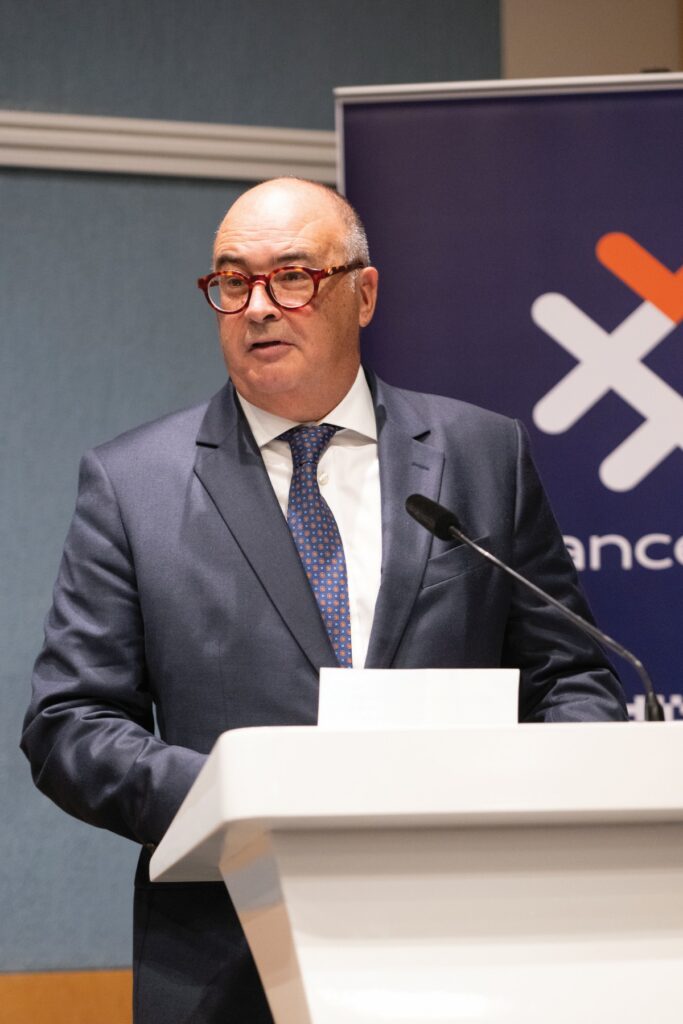
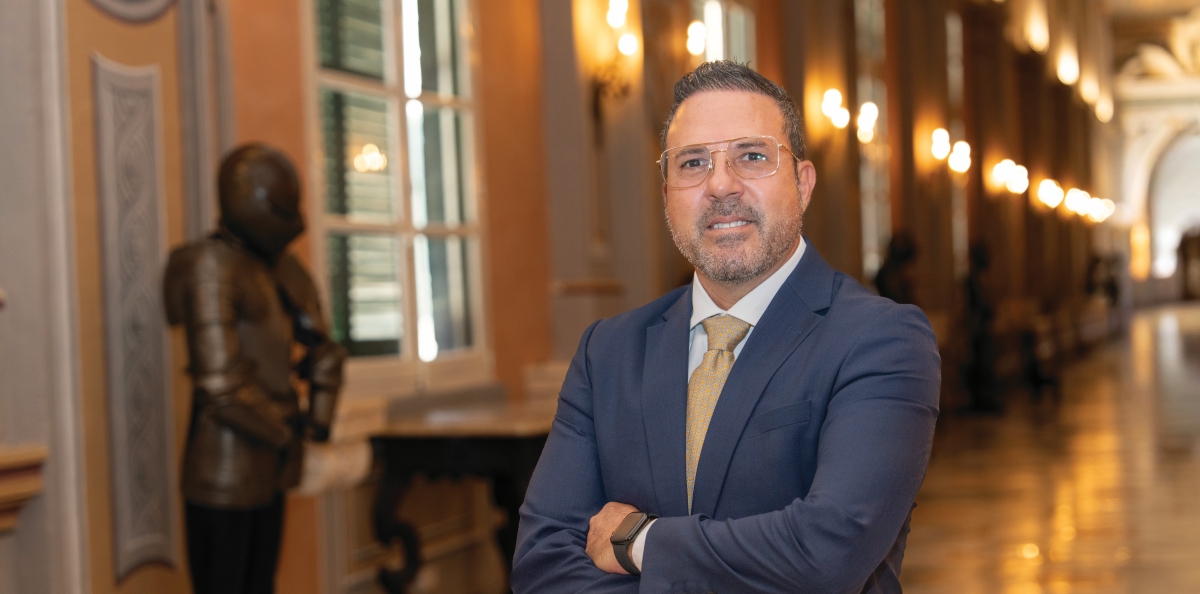
Martin Galea, Chairperson of PEVCA Malta and a veteran of the local financial sector, discusses the significant strides the organisation has made in just over a year.
“When Malta was laying the groundwork for the financial services industry some 35 years ago, no one could have imagined it would become one of Malta’s main economic pillars. Today, the sector employs thousands of specialised professionals and contributes directly to the country’s economic growth. The foundations we are laying in private equity and venture capital now are not so different. This is the beginning of an exciting journey,” Mr Galea shares.
At its core, PEVCA’s mission is to connect those who have capital with those who need it, while matching funding with expertise.
“Malta’s business landscape has traditionally relied heavily on bank financing. While this remains an important avenue, experience has long demonstrated that private equity and venture capital can unlock a different level of growth. Indeed, they are crucial motors of economic progress, as they don’t just inject capital into businesses; they bring fresh ideas, new governance models and a more dynamic approach to growth,” Mr Galea explains.
Malta’s economy is dominated by family-owned businesses, many run by the same line of entrepreneurs for generations.
“There is nothing wrong with traditional ownership models,” Mr Galea continues, “but the risk is that companies can become stagnant in their outlook. Private capital brings new impetus and fresh thinking that can take a business to the next level.”
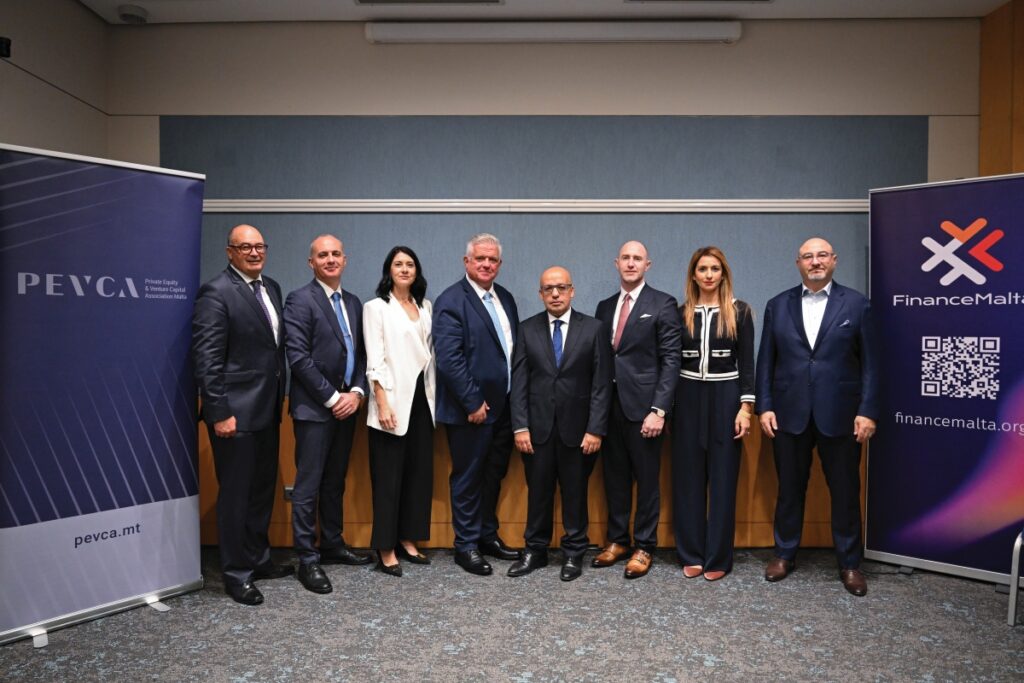
Since its establishment just over a year ago, PEVCA Malta has been busy building the foundations for a new ecosystem. The association has already attracted over 80 significant players from the financial services industry and the local business world as members, creating a community around the subject of private equity and venture capital. It has also organised a series of events and networking opportunities, hosted a certified private equity masterclass, and undertaken a comprehensive ‘state of play’ report on the Maltese PE and VC market, due for publication shortly.
These efforts are already bearing fruit. “Although still in its relative infancy, the private equity and venture capital sector in Malta is already showing signs of momentum and great opportunity,” says Mr Galea. “Interest from service providers, law firms, accountants, corporate service providers and compliance specialists is on the rise. More importantly, larger Maltese companies are beginning to explore how private equity methodologies can help them scale and modernise.”
“The reception has been very positive. We’re now moving into the next phase – sharing more data and insights, and working with policymakers to create the regulatory and fiscal conditions needed for sustained growth,” he continues.
PEVCA’s ambition extends beyond attracting capital to Malta. It aims to help the country become a hub for fund managers and family offices operating across Europe and beyond.
“We already have a mature financial services industry, and private equity and venture capital can leverage many of the skills and resources that already exist locally,” Mr Galea notes. “We’re not starting from scratch, as we did 35 years ago. The overlap with the broader financial services sector means we can hit the ground running, with the right fine-tuning.”
Asked what makes Malta a compelling investment destination, Mr Galea points to the island’s unique combination of advantages. “Our size is often seen as a limitation, but it can also be one of our greatest assets,” he remarks. “It allows us to remain nimble, flexible and capable of adapting quickly to new realities. Regulators like the Malta Financial Services Authority and entities such as the Malta Business Registry have worked hard to protect Malta’s reputation while remaining open to constructive feedback. That responsiveness, and the ability to stay light on one’s feet, is a huge asset in a fast-changing industry that rewards flexibility.”
This agility, however, must be paired with trust and credibility.
“Reputation is easily lost and difficult to regain, as we have experienced in recent years. We must guard it carefully – transparency and good governance are the best ways to do business. The more we align ourselves with international standards, the stronger our position will be.”
While agility and trust lay a strong foundation, practical challenges remain. Malta still lacks the depth of seed and venture capital available in larger markets. Yet, as Mr Galea points out, private equity offers opportunities beyond startups.
“The highest rewards often come from early-stage investment, but they also carry the greatest risk. There is also substantial opportunity in mature companies that have plateaued or believe their best days are behind them. With the right capital, they can obtain renewed management expertise, unlocking new avenues for growth and breaking through stagnation.”
PEVCA is also investing in education and training to build local capacity and sector-specific expertise, helping both local and foreign investors engage more effectively with private capital.
One of the most significant challenges facing the European private capital landscape is regulatory complexity. Many startups eventually look beyond Europe for funding where the capital environment is more fluid. Mr Galea acknowledges this challenge but sees opportunity in the EU’s approach of striking a balance.
“Regulation is a double-edged sword,” he says. “It protects consumers, employees and the environment, all of which are essential players in the equation. However, if it is applied too rigidly, it can stifle capital flows. The EU is working to strike a balance, reducing bureaucracy while maintaining high standards. I believe that this approach will ultimately prove more sustainable.”
Malta, he argues, can play a key role in this process. “We can lead by example, keeping our legislation agile and creating a flexible legal framework that enables growth. If we do that, we can attract capital that might otherwise go elsewhere.”
The journey for Malta’s private equity and venture capital sector is only just beginning, but the prospects are promising. The groundwork laid by PEVCA and its partners is already changing how businesses think about growth and investment. With continued collaboration between investors, entrepreneurs, policymakers, and regulators, private capital could become a central pillar of Malta’s economy, just as financial services did before it.
“Private equity and venture capital are more than just funding mechanisms. They are catalysts for transformation that have the potential to unlock innovation, drive competitiveness and create opportunities. Malta has all the elements to make this sector a success. Now we must seize the moment and position ourselves on the global stage,” Mr Galea concludes.
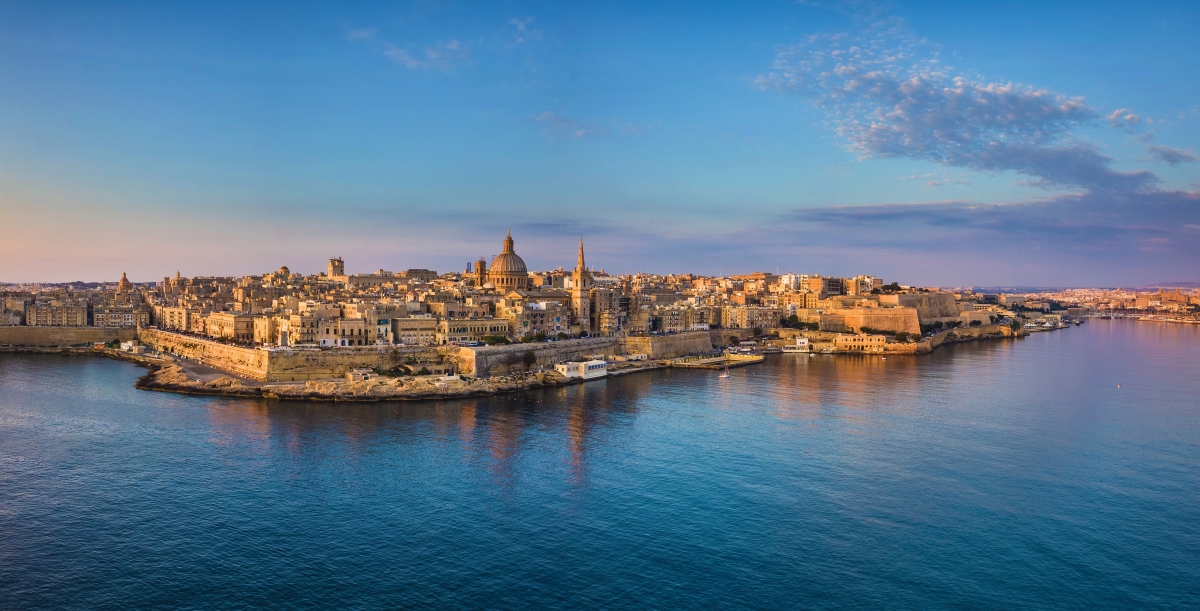
Main Image: ZG Photography / Shutterstock
This article was first carried in the 2026 edition of Malta Invest, the sister brand to MaltaInvest.mt and produced by Content House Group.
Share
Written By Edward Bonello
Edward Bonello is a content writer, PR consultant and generally chill fellow. When he’s not happily tapping away at his laptop, he enjoys collecting useless trivia, watching B-movies, and cooking the most decent carbonara this side of Trastevere.


Continue Reading



Malta’s Economic Sectors