


Malta needs a clearer strategy for luxury tourism, hospitality experts say
Experts discuss the future of luxury tourism and the repositioning of hospitality at a Malta Business Network panel discussion
Written By Tim Diacono
Published on 27 January 2026
•
2 min read
Share





Hospitality industry leaders and experts urged Malta to adopt a clearer strategy to attract higher-spending luxury tourists.
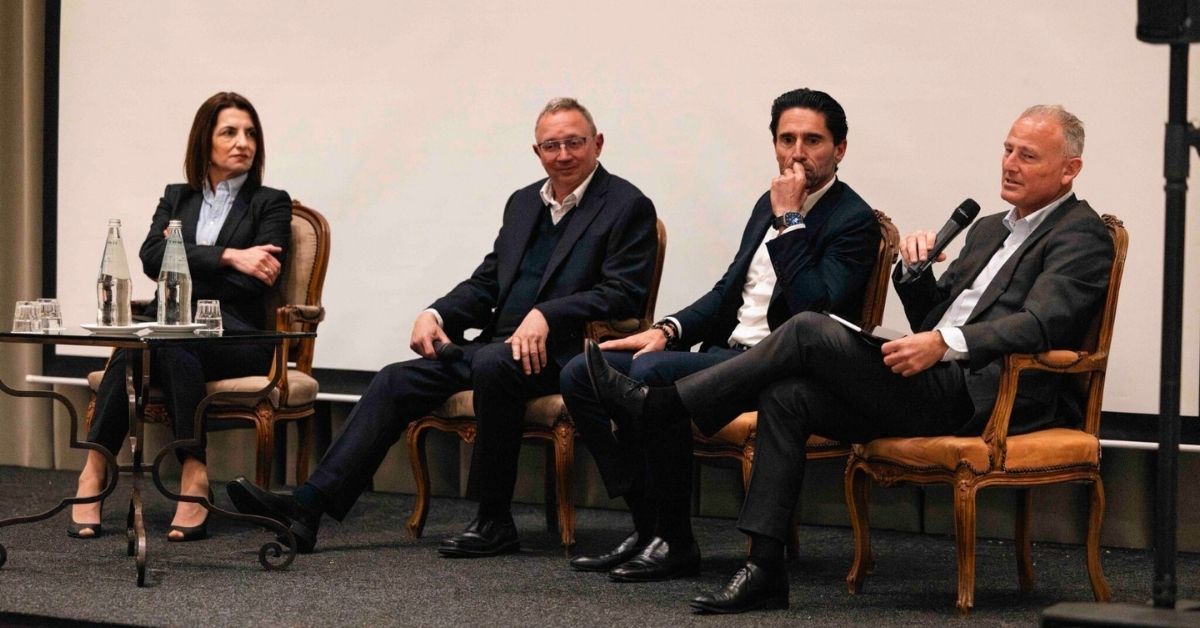
The future of luxury tourism and the repositioning of hospitality was the focus of a recent panel discussion organised by the Malta Business Network.
Opening the event, Deloitte Malta’s Transportation, Hospitality and Services leader David Delicata presented data from the past decade which showed that Malta has been unable to substantially raise the average daily spend per tourist in real terms after adjusting for inflation.
Mr Delicata noted that although tourists numbers have increased substantially, their average expenditure in real terms has remained largely stagnant, raising questions about whether the island’s growth model is delivering long-term economic value.
Warning that Malta’s current volume-based model is unsustainable, he said it is essential for the country transition towards a higher-value, experience-driven approach that delivers benefits to both the economy and visitors alike.
AX Group CEO Michael Warrington argued that while Malta had positioned itself as a quality destination back in the 1960s, it later started setting targets to reach a million annual tourists, a figure that has since quadrupled.
“It is not surprising that average spend hasn’t shifted significantly if the driving force has been volume,” Mr Warrington said.
He added that while Malta can pivot towards a higher-value model, this must be done carefully and with a clear understanding of what must be preserved.
Meanwhile, Troo Hospitality CEO Winston Zahra suggested that Malta cannot pursue luxury tourism exclusively but rather adopt a hybrid model, citing destinations like Ibiza that successfully blend mass and high-end tourism.
However, he said the government and industry stakeholders should first decide on a direction, and then build the strategy and enact it.
“The question is do we want to head in a particular direction or continue as we are doing at the moment?” he asked.
From a design and infrastructure perspective, Reuben Xuereb, Chairman and CEO of QP and DesignEQ, argued that Malta’s small size should be its greatest strength rather than a limitation.
“Less is more,” Mr Xuereb said, as he warned that the strain of the current volume-driven model on infrastructure risks undermining the country’s appeal.
He said that Malta needs a clearer strategy that leverages its connectivity and airport strengths while being more selective about the experience it curates.
Share
Written By Tim Diacono
Tim is a senior journalist and producer at Content House, driven by a love of good stories, meaningful human connections and an enduring appetite for cheese and chocolate.

Continue Reading

Malta’s Economic Sectors