


Malta maintains steady growth momentum despite rising uncertainty
Strong fundamentals persist as inflation stabilises and public finances improve

Written By Sam Vassallo
Published on 30 March 2026
•
2 min read
Share





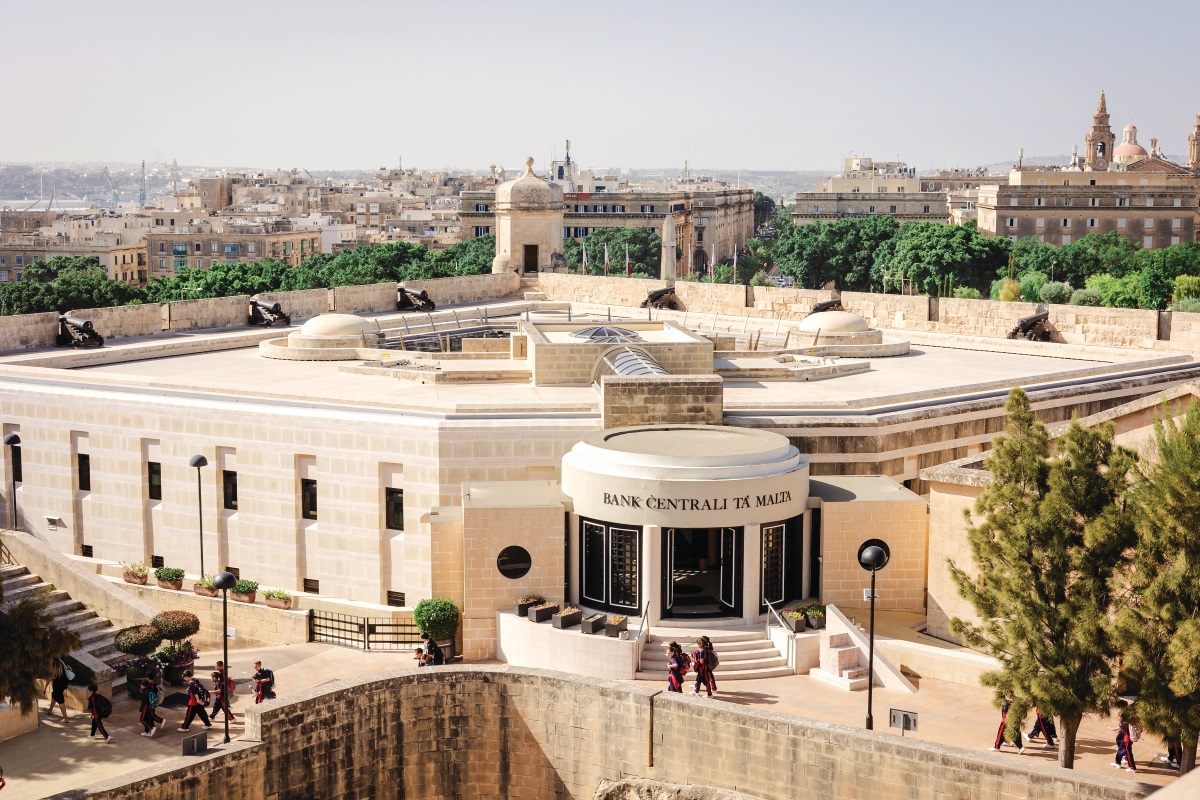
Malta’s economy continued to show resilience in early 2026, with business activity remaining above its historical average in February, according to the Central Bank’s latest Economic Update.
While growth remains steady, forward-looking indicators suggest a more cautious environment. The Economic Sentiment Indicator eased from January’s historic high, while employment expectations fell below their long-term average. At the same time, rising uncertainty, reflected in a positive Economic Uncertainty Indicator, points to more conservative decision-making by businesses and investors.
Economic performance across sectors remains mixed. Industrial production returned to year-on-year growth in January, while retail trade held steady. Services activity, however, declined over the year to December.
Labour market conditions remain strong, with unemployment at 3.4 per cent in January, albeit slightly higher than the previous month.
Inflation remained contained, with HICP inflation at 2.3 per cent in February and core inflation at 2.2 per cent, indicating relatively stable price pressures. Malta’s core inflation continues to compare favourably with the euro area.
Fiscal performance strengthened, with a lower deficit recorded in January, supported by higher government revenues.
Meanwhile, financial indicators showed a moderation in the growth of deposits and credit, suggesting a gradual normalisation in financial conditions.
In the property market, while residential permits declined, transaction activity improved, with increases in both promise-of-sale agreements and final deeds recorded in February.
Share
Written By Sam Vassallo
Sam is a journalist, artist and poet from Malta. She graduated from University of Malta and SciencePo, and is interested in making things and placing words.



Continue Reading
Malta’s Economic Sectors