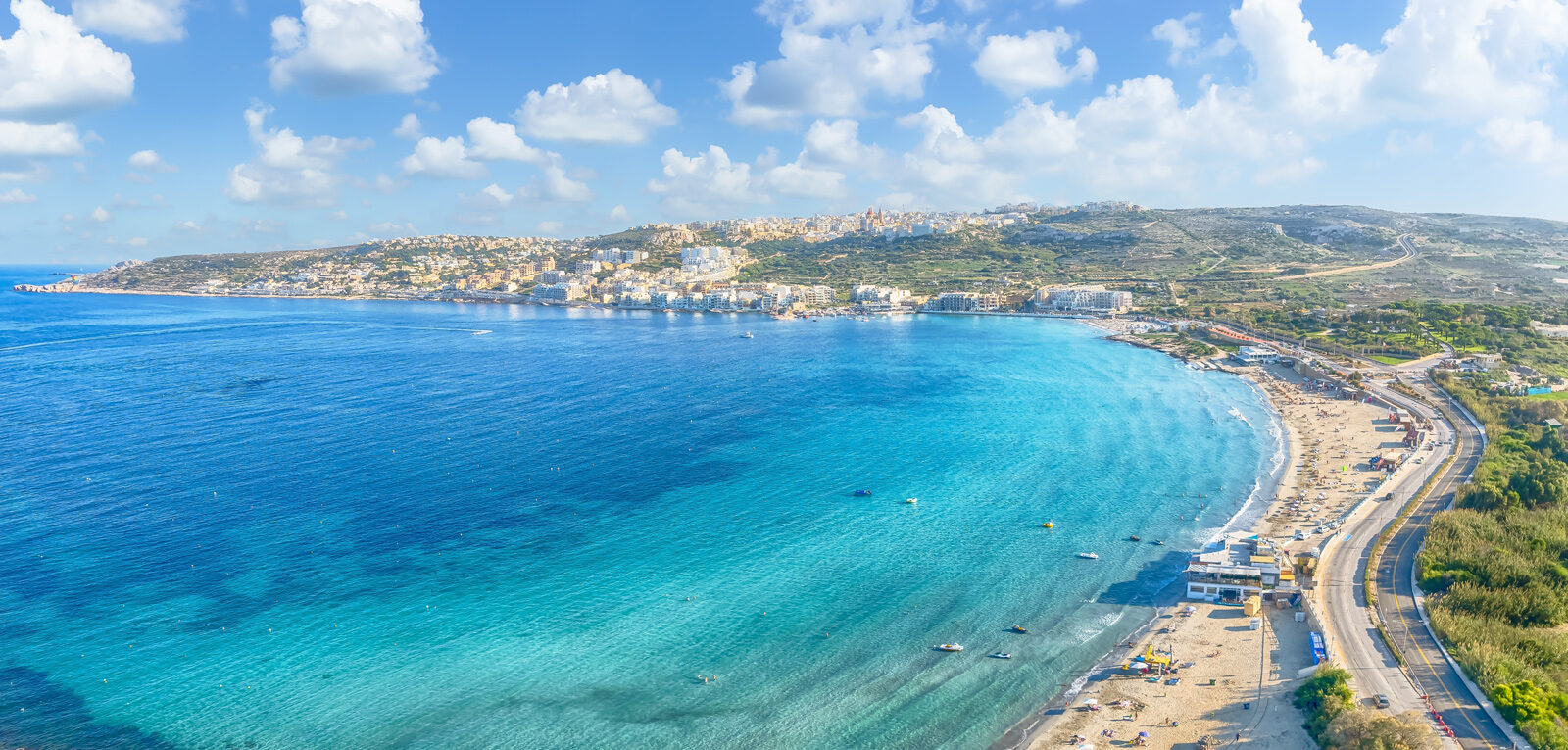



Malta seeks to position itself at the intersection of iGaming and responsible AI
Recommendations include establishing a comprehensive AI governance framework, documenting the risks and controls behind each AI system, and ensuring meaningful human oversight proportionate to risk

Written By Robert Fenech
Published on 22 September 2026
•
5 min read
Share





Artificial intelligence is becoming increasingly embedded in the global gaming industry, and Malta is seeking to ensure its regulatory framework evolves alongside the technology.
The Malta Gaming Authority (MGA), together with the Malta Digital Innovation Authority (MDIA), has launched an AI Gaming Charter: voluntary, principles-based guidance on the ethical and responsible use of AI across gaming operations, designed to complement – not replace – existing legal and regulatory frameworks.
The development is significant beyond the guidance contained in the 48-page document. For Malta, where gaming has become one of the country's most important international business sectors, the Charter offers another indication of how the jurisdiction is trying to reconcile technological innovation with regulatory certainty.
The MGA's own data illustrates the scale of the sector. Gaming operators generated €1.386 billion in gross value added in 2024, equivalent to 6.7 per cent of Malta's economy, with the wider direct and indirect contribution reaching 10.1 per cent. By June 2025, an estimated 13,929 people were working in Malta with MGA-licensed online gaming companies – both those directly involved in licensed gaming activities and those in other functions – a 3.5 per cent increase on the previous year.
As the industry matures, though, Malta's proposition is increasingly about more than the size of its gaming ecosystem.
The Charter illustrates that shift. Developed following a sector-wide survey, discussions with licensees and a dedicated consultation process, it sets out practical guidance on data governance, human oversight, transparency, non-discrimination and stakeholder engagement. The regulators caution that the survey responses represented only a limited subset of the sector, but say they nonetheless offered useful indicative insight into current practice.
That practice, the Charter finds, is uneven. AI adoption is most mature in operational optimisation, data analytics and customer-support chatbots, with lighter but growing use in recommendation engines, player profiling, fraud detection, anti-money laundering checks and responsible-gambling behavioural modelling. Adoption remains far more limited in dynamic odds setting, regulatory reporting, player acquisition, HR, KYC, payments and AI-powered live casino applications – suggesting operators are more comfortable deploying AI in support and monitoring functions than in commercially sensitive, player-facing decisions. Interviews carried out by the two regulators also pointed to AI being used in game design, marketing analytics and player segmentation, and in automating repetitive operational tasks.
One theme the regulators flag as a gap is AI literacy: the Charter argues that staff across an organisation – not just compliance or technical teams – need to understand what AI systems can and can't do, and recommends targeted training as good practice. Notably, most licensees who took part in the survey said they were still developing a formal AI strategy, with only a minority reporting one already in place.
For Malta, the regulatory response therefore arrives while the technology is still maturing rather than after its use has become fully entrenched – consistent with a broader shift in the MGA's approach toward risk-based supervision. In its 2025 annual report, the Authority said it had strengthened risk-based oversight and made greater use of data and technology, conducting 15 full-scope compliance audits and 109 thematic reviews covering compliance, player protection and sports betting integrity during the year.
The Charter adds a further layer to that model. It is voluntary, but licensees are "strongly encouraged" to adopt it. Recommendations include establishing a comprehensive AI governance framework, documenting the risks and controls behind each AI system, and ensuring meaningful human oversight proportionate to risk. Where an AI-supported decision materially affects a player, the Charter says the individual should be given a human-readable explanation of the outcome, the AI's role in it, and any route to human review or redress.
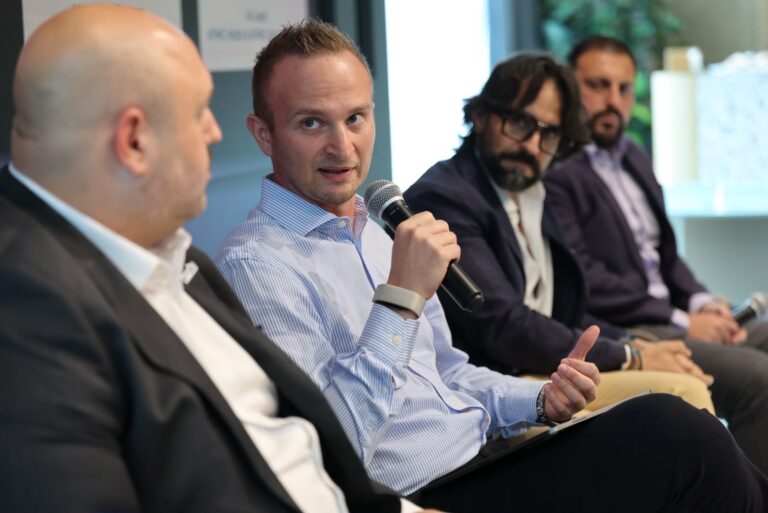
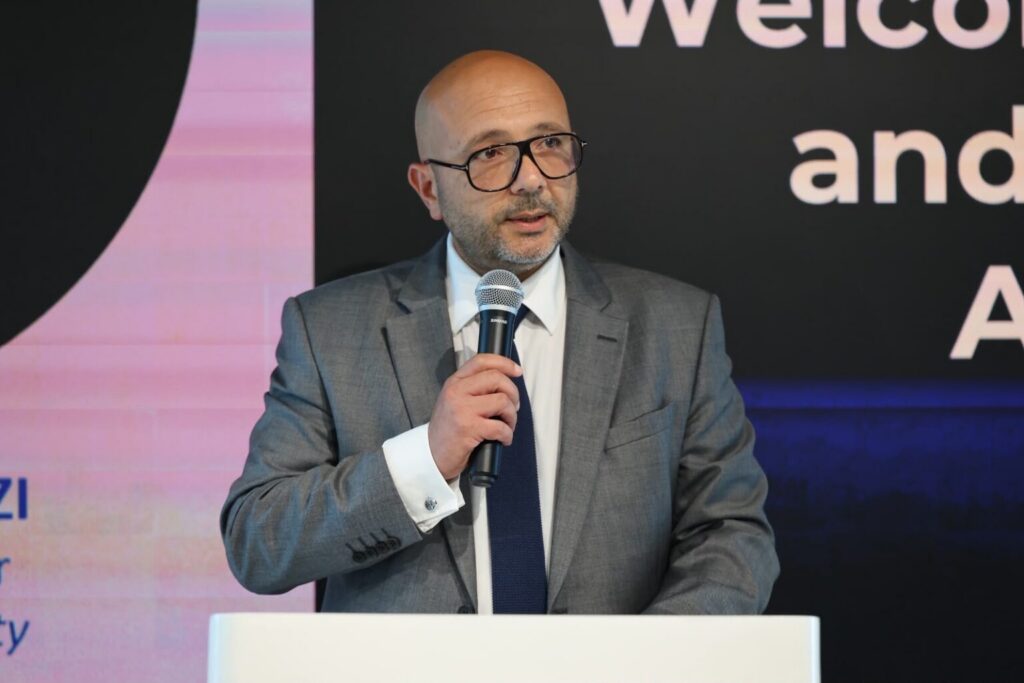
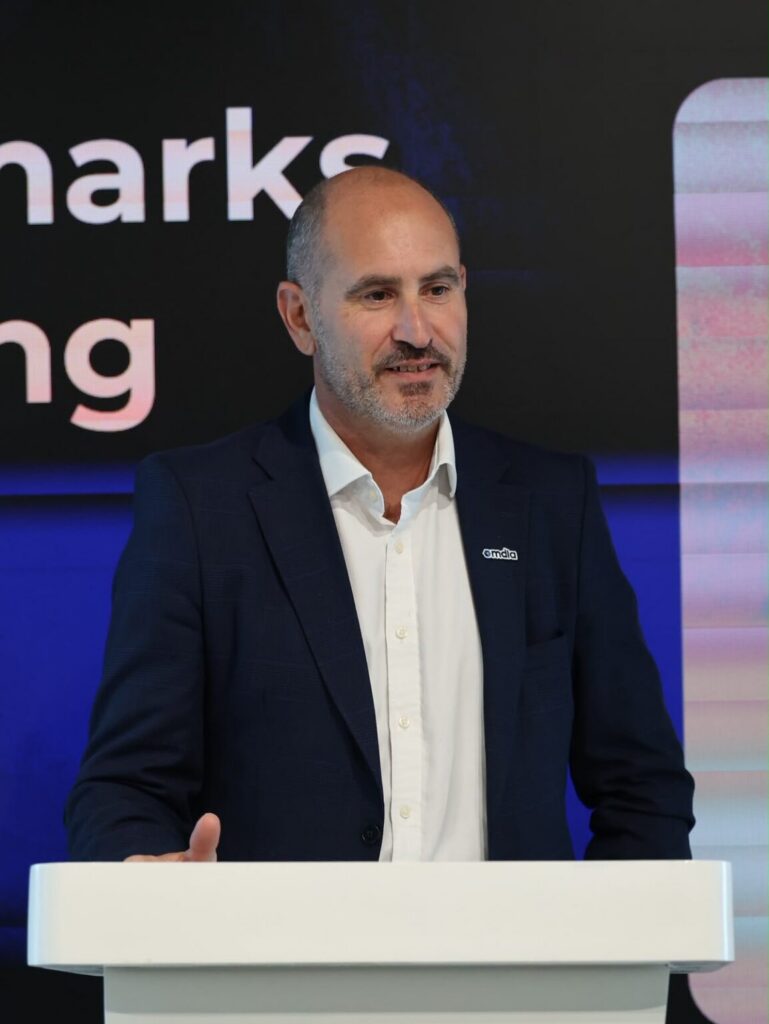
MDIA CEO Kenneth Brincat framed the initiative around trust, saying that as AI's use becomes more embedded in the gaming sector, organisations need practical ways to understand where it is being used, manage the associated risks, and keep accountability and human oversight firmly in place – combining the MDIA's expertise in AI governance with the MGA's understanding of the gaming sector. MGA CEO Charles Mizzi echoed that framing, describing the regulator's role as creating the certainty and confidence needed for innovation to flourish responsibly, rather than standing in its way.
That positioning matters because gaming has become part of Malta's broader technology and professional-services ecosystem, drawing not only operators but software developers, payment companies, compliance specialists, and legal and advisory firms – even as competition from other jurisdictions intensifies.
The Charter does not, by itself, determine whether Malta will remain competitive as global gaming regulation fragments and AI continues to reshape the sector. But it offers a window into how the jurisdiction is approaching that challenge: by treating regulation and innovation as complementary rather than competing objectives. For Malta's iGaming sector, the longer-term question may be less about whether AI will transform the industry, and more about whether the jurisdiction can keep providing the regulatory certainty, specialist talent and technology ecosystem needed for that transformation to happen from Malta.
Additional reporting by Kevin Schembri Orland.
Share
Written By Robert Fenech
Online Business Editor
Robert is curious about the connections that make the world work, and takes a particular interest in the confluence of economy, environment and justice. He can also be found moonlighting as a butler for his big black cat.


Continue Reading

Malta’s Economic Sectors