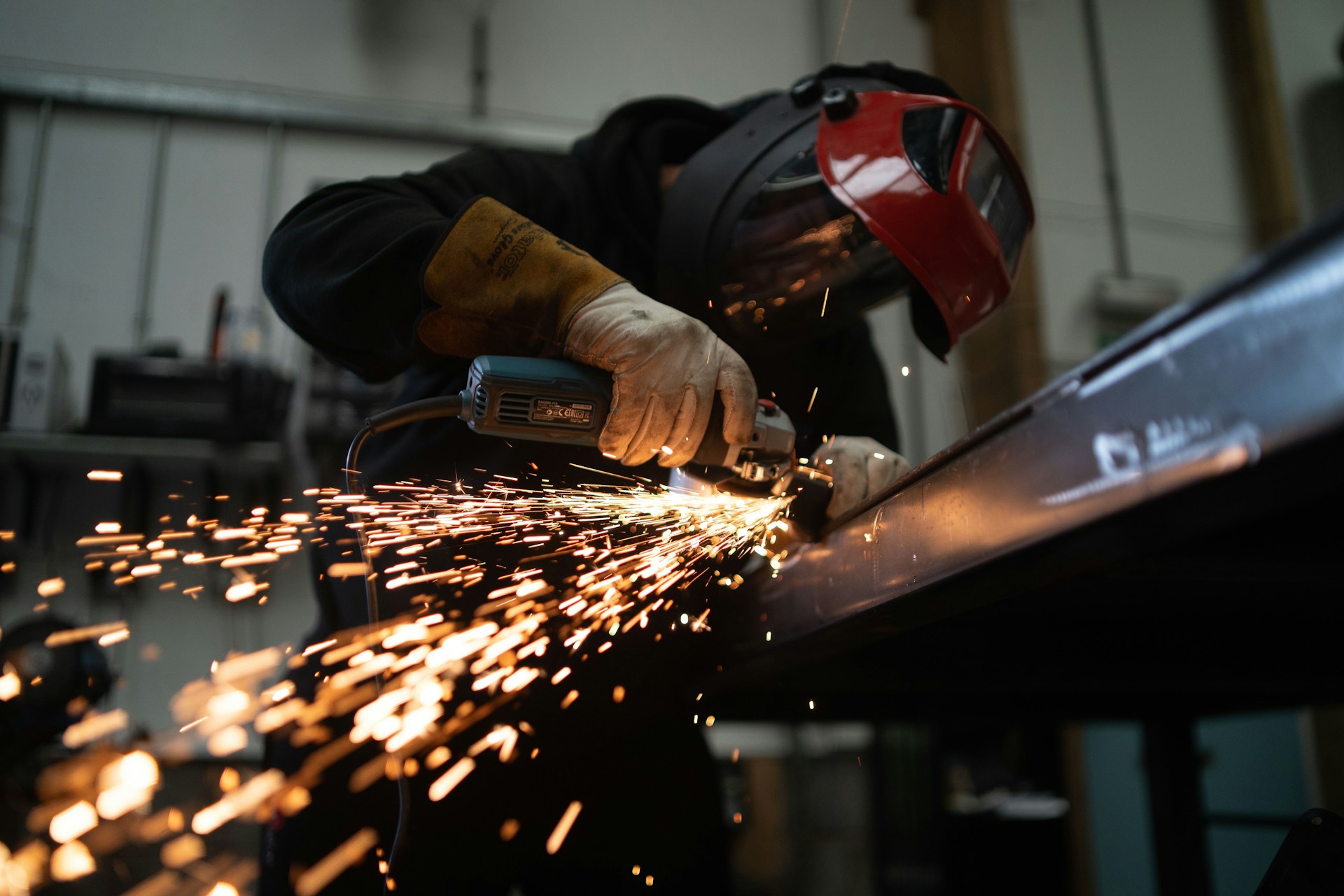



Malta’s new skills strategy aims to match talent supply with industry demand
The strategy positions skills as a central pillar of Malta’s economic model

Written By Nicole Zammit
Published on 10 April 2026
•
3 min read

Share





Malta has launched a National Skills Strategy for 2026–2035, setting out a long-term framework aimed at strengthening productivity, enhancing talent utilisation and supporting the country’s shift towards higher-value economic activity.
The strategy, which has been issued for public consultation, brings together 30 policy recommendations across eight priority areas, reflecting a more coordinated approach to skills development, labour market needs and economic planning.
At its core, the strategy positions skills as a central pillar of Malta’s economic model, particularly as the country navigates digital transformation, demographic pressures and the transition to a net-zero economy.
Tight labour market, but structural gaps remain
Despite strong employment performance, the strategy highlights underlying structural weaknesses that could weigh on Malta’s long-term competitiveness.
Malta currently records one of the lowest unemployment rates in the EU, alongside high job vacancy levels, signalling sustained labour demand. However, this tight labour market is paired with persistent skills mismatches and relatively low levels of workforce proficiency.
Around 36 per cent of adults in Malta have low levels of skills, significantly above the EU average of 25 per cent, raising concerns over productivity, innovation capacity and the ability to move up the value chain.
The report also points to a comparatively small pool of research and development personnel, suggesting limited depth in higher-value, knowledge-intensive sectors.
From labour supply to skills utilisation
A key shift in the strategy is its focus not only on developing skills, but on using them more effectively within the economy.
This includes improving how businesses deploy talent, strengthening management capabilities, and encouraging workplace innovation – all seen as critical to extracting greater economic value from existing human capital.
The strategy explicitly links skills policy with Malta’s broader economic ambitions, including Malta Vision 2050 and the Smart Specialisation Strategy, ensuring alignment between workforce development and priority growth sectors.
Aligning education, industry and investment
One of the central challenges identified is fragmentation across Malta’s skills ecosystem, with education, training and labour market policies historically operating without a unified framework.
The new strategy seeks to address this by strengthening coordination between government, industry and education providers, while improving data collection and forecasting on future skills needs.
This includes proposals for enhanced skills intelligence systems, more targeted training pathways, and closer collaboration between businesses and educational institutions – particularly in areas linked to digitalisation and sustainability.
For investors, the strategy signals a policy direction focused on building a more resilient and future-ready workforce.
Efforts to expand lifelong learning, improve access to specialised skills, and better match talent supply with industry demand are expected to support Malta’s attractiveness as an investment destination, particularly in sectors requiring higher-skilled labour.
At the same time, measures aimed at increasing workplace training and innovation capacity could help businesses improve productivity and adapt more quickly to changing market conditions.
A long-term reform agenda
The National Skills Strategy will now undergo a consultation phase before being finalised and implemented through a dedicated action plan.
Its phased rollout, extending to 2035, reflects the scale of the structural changes required, as Malta seeks to transition from a labour-driven growth model towards one underpinned by skills, innovation and higher value-added activity.
Share
Written By Nicole Zammit
Business Journalist
When she’s not writing articles at work or poetry at home, you’ll find her taking long walks in the countryside, pumping iron at the gym, caring for her farm animals, or spending quality time with family and friends. In short, she’s always on the go, drawing inspiration from the little things around her, and constantly striving to make the ordinary extraordinary.


Continue Reading


Malta’s Economic Sectors