

 Latest News Malta unites the world’s shipping registries to combat sanctions evasion and boost compliance
 Malta unites the world’s shipping registries to combat sanctions evasion and boost compliance
The event is the first global gathering dedicated solely to registry compliance officers

Written By Malta Invest
Published on 3 December 2025
•
3 min read
Share





Malta’s central role in strengthening global maritime governance was in the spotlight this week, as the island hosted the first international meeting of Shipping Registry Compliance Officers, further reinforcing its reputation as a trusted, future-focused maritime jurisdiction.
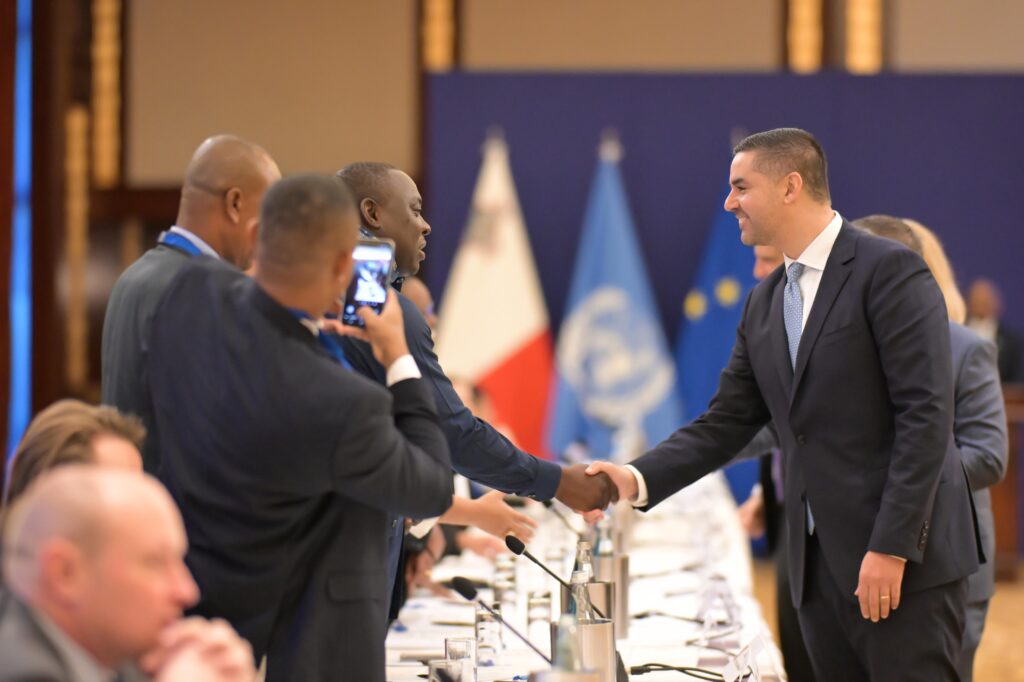
Minister for Transport, Infrastructure and Public Works Chris Bonnett highlighted Malta’s commitment to high regulatory standards and international cooperation, noting that ship registries worldwide must work together to reduce vulnerabilities created by fragmented practices.
Speaking at the opening of the meeting, he stressed that recent developments in global shipping have shown that “no registry can operate in isolation,” and emphasised Malta’s determination to enhance traceability, improve coordination, and close loopholes that risk undermining compliance.
“Reputation in this sector is a shared asset,” Minister Bonnett said. “ Through greater alignment and collaboration between registries, we can safeguard the credibility of the global maritime framework.” His remarks underline Malta’s clear positioning as a reliable, responsible, and forward-looking registry, qualities that continue to attract shipowners and maritime operators from around the world.
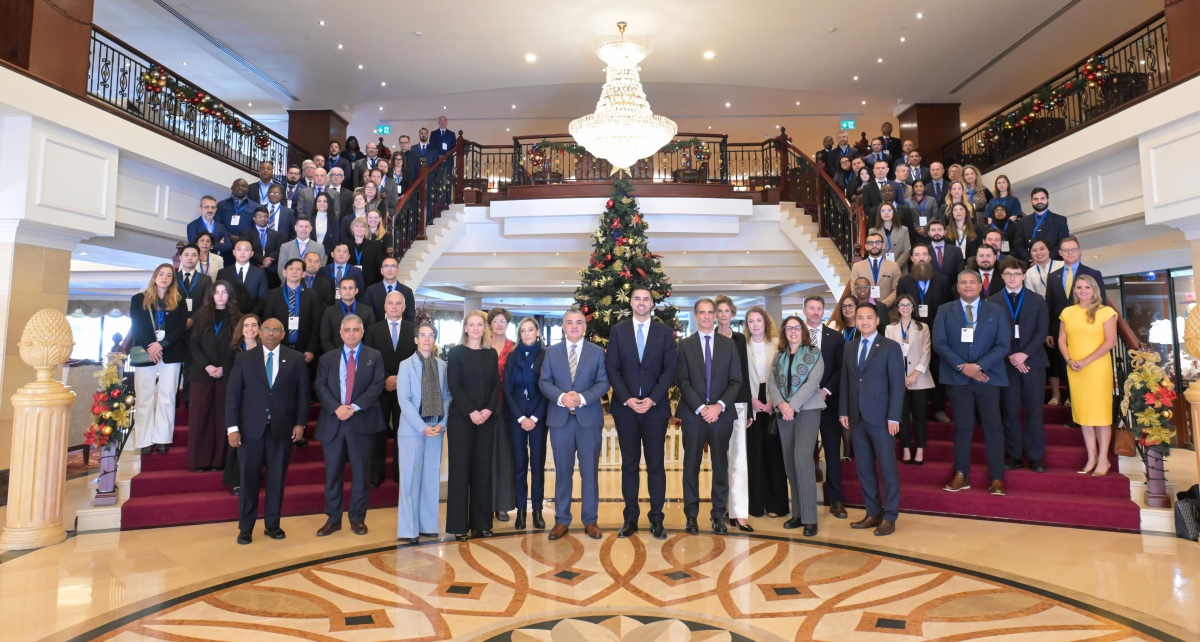
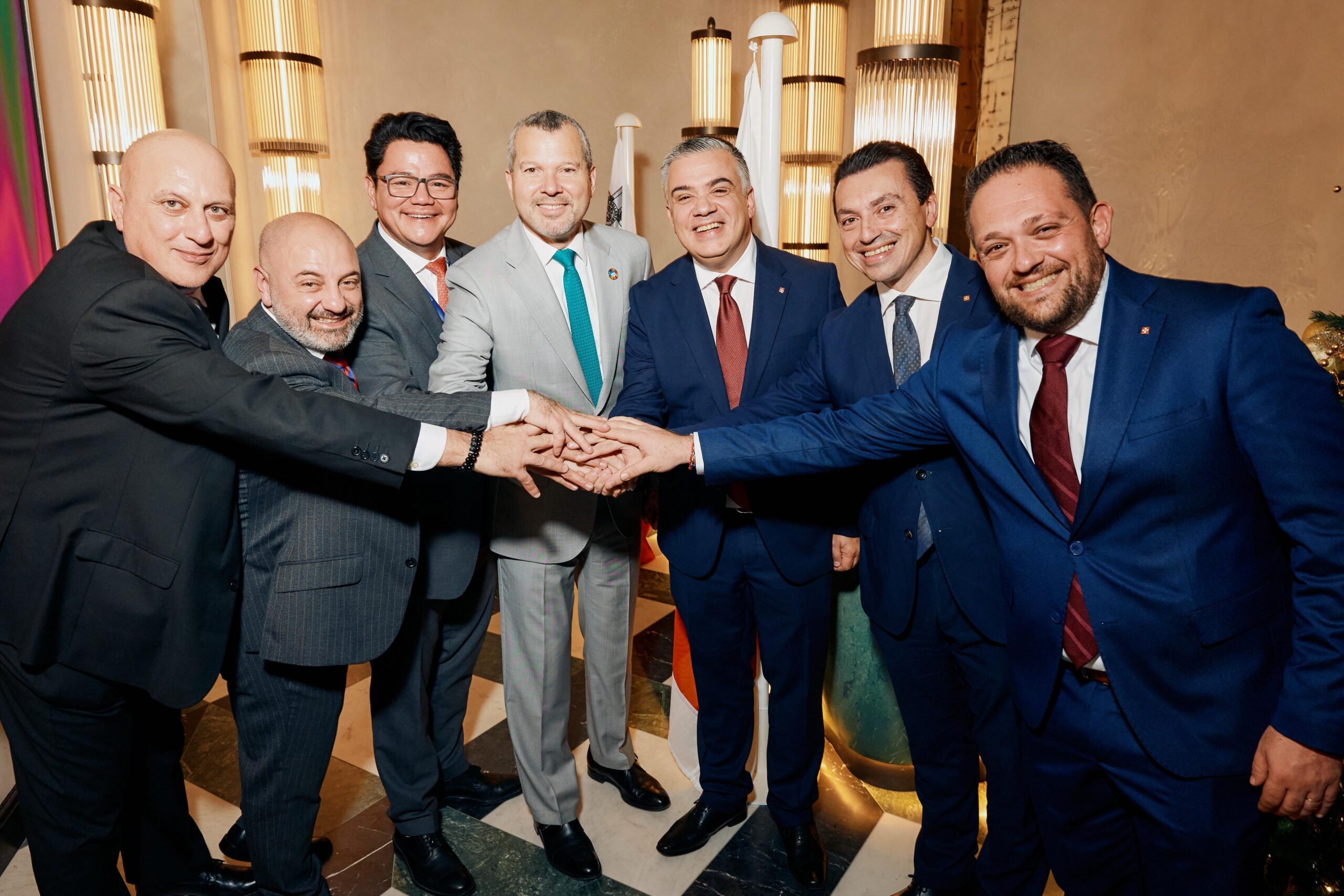
The event, held in Floriana, was organised by the Valletta-based Global Centre for Maritime Sanctions Monitoring (GCMSM) together with the United Nations Office on Drugs and Crime (UNODC). It is the first global gathering dedicated solely to registry compliance officers, bringing to Malta representatives from 37 countries, alongside EU experts and international specialists.
Their discussions are focused on key challenges facing modern registries, including reflagging practices, beneficial ownership transparency, vessel-history checks, and the monitoring of high-risk behaviour at sea.
As home to the world’s sixth-largest ship registry, Malta continues to distinguish itself through both scale and governance.
Deputy Prime Minister and Minister for Foreign Affairs and Tourism Ian Borg reaffirmed Malta’s commitment to responsible and transparent shipping, stressing that the country’s leadership role comes with a duty to uphold the integrity of the global maritime system.
“The stability of the global maritime system rests on our collective vigilance,” he said. “Fragmentation empowers those who operate in the shadows, while cooperation restricts their room to manoeuvre.”
UNODC representatives also pointed to Malta’s growing importance in international maritime sanctions enforcement.
Siri Bjune, Chief of Border Management at the UNODC, explained that the EU-funded Maritime UN Sanctions Enforcement (MUSE) Project now provides dedicated capacity to work with registries worldwide. Its collaboration with the Malta-based GCMSM is expected to further reinforce Malta’s position as a hub for high-quality compliance expertise.
Established earlier this year, the GCMSM is already accelerating global cooperation among registries from Malta. Its initiatives include raising due-diligence standards for ship registration, improving background verification processes, and creating an international information-sharing mechanism to prevent vessels removed for misconduct from re-entering global circulation under new flags. These efforts contribute directly to Malta’s broader strategy of driving transparency and resilience across the maritime sector.
Throughout the week, participants will hear contributions from senior UNODC officials, the European Commission’s Foreign Policy Instruments (FPI), and GCMSM leadership, further cementing Malta’s stature as a convening point for maritime innovation, compliance, and international collaboration.
Share
Written By Malta Invest
This article was written by a team member at MaltaInvest.mt.

Continue Reading


Malta’s Economic Sectors