

 Latest News Malta Enterprise: Engineering a future of quality, innovation and sustainable growth
 Malta Enterprise: Engineering a future of quality, innovation and sustainable growth
With a strategic pivot from volume to value, the agency is recalibrating Malta’s investment proposition to build a resilient, knowledge-driven hub poised for outsized impact on the global stage

Written By Sarah Muscat Azzopardi
Published on 18 February 2026
•
7 min read
Share





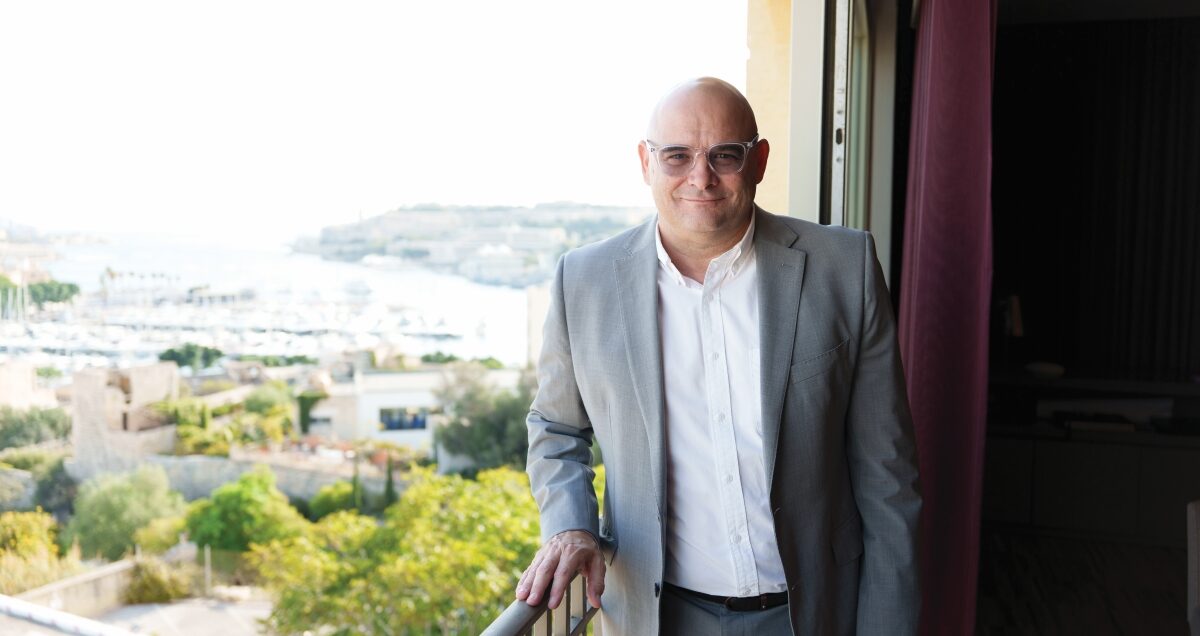
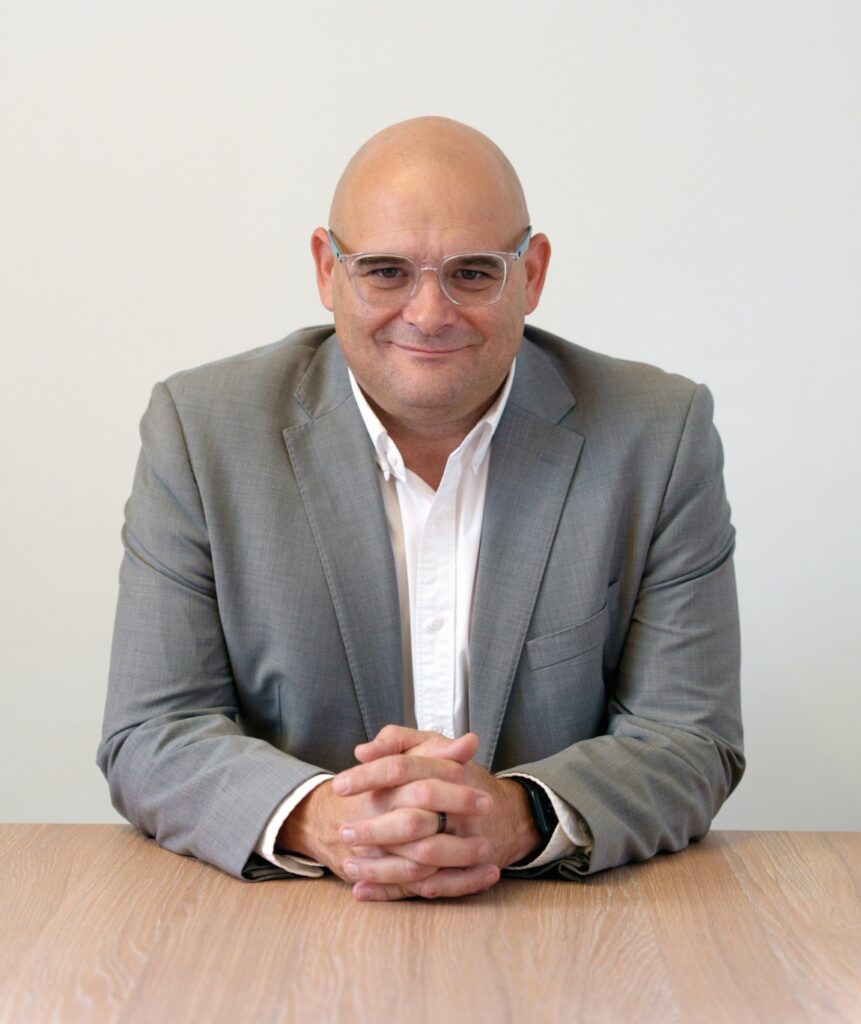
Long celebrated for its robust growth and ability to attract foreign investment, today, Malta is entering a new, more discerning chapter. Driving this strategic shift is the nation’s economic development agency, Malta Enterprise, led by George Gregory, who took the reins as CEO in September 2024.
With over 30 years of experience in the private sector, Mr Gregory brings a fresh, commercially-honed perspective to public service – one rooted in a fundamental belief that business should create enduring value not just for shareholders, but for society at large.
“Stepping into the role has been both a privilege and a natural progression,” he begins, his approach shaped by a career spent advising on acquisitions, restructuring and corporate strategy.
“Throughout my career, I have always believed that business should create lasting value – for people, for communities and for economies. That perspective now guides how I approach Malta’s investment attraction efforts.”
This philosophy is the driving force behind the nation’s ambitious long-term strategy, Vision 2050, which aims to build a future founded on sustainability, knowledge creation and resilience.
For the CEO, it is not mere rhetoric; it is a practical blueprint for transforming Malta from a small island state into what he describes as “a platform for innovation, talent and sustainable growth.” His focus is clear: to forge long-term partnerships with investors who share the same sophisticated vision, ensuring every initiative contributes to a more competitive and resilient national economy.
For years, Malta Enterprise has cultivated a strong track record in attracting foreign direct investment. Now, the agency is leveraging that success to pivot its strategy. The new watchword is ‘quality’ – a deliberate move away from prioritising the volume of investment towards attracting projects that deliver deeper, more sustainable benefits.
“It is a natural evolution of our role,” Mr Gregory explains. “Our focus today is on strengthening the sectors where we already have competitive advantages, while at the same time developing new economic niches that offer high-quality jobs.”
But what does “higher-quality investment” mean in the Maltese context? According to Mr Gregory, it signifies a multifaceted recalibration. The emphasis is now on projects that not only generate employment but create superior career development opportunities, foster stronger skills and facilitate meaningful knowledge transfer to the local economy. It is all about building an ecosystem that is self-reinforcing, where each new investment enhances the capabilities of the whole.
“We are moving from quantity to quality,” he asserts, “and ensuring investments contribute directly to Malta’s long-term resilience and competitiveness.” This strategic patience – selecting partners who are committed to growing with Malta for the long haul – is central to sculpting an economy that is robust enough to weather global uncertainties yet dynamic enough to seize emerging opportunities.
In fact, central to Vision 2050 is the ambition to build a truly knowledge-based economy. Malta Enterprise is actively working as a “bridge between academia and industry,” fostering an environment where innovation is not just encouraged, but systematically embedded into the economic fabric.
A cornerstone of this strategy is the cultivation of powerful international partnerships. Mr Gregory highlights a landmark Memorandum of Understanding with imec, the world-renowned Belgian nanoelectronics and digital technology R&D hub. The collaboration is a game-changer, granting Maltese researchers and startups access to world-class expertise in the critical semiconductor sector. “In fact, the first Maltese student has recently joined imec in Belgium,” he notes, illustrating the tangible, human-capital benefits of the alliance.
Such focus on high-tech capabilities is further exemplified by the new Malta Semiconductor Competence Centre. This strategic consortium, led by Malta Enterprise in partnership with the University of Malta, the Malta College of Arts, Science and Technology, the Malta Digital Innovation Authority, and global accelerator Silicon Catalyst EU, is creating a powerful ecosystem to nurture talent and drive innovation in a sector of immense global importance.
The overarching goal, the CEO elaborates, is to position Malta as a hub for applied research and development. “We support that ambition through enhanced R&D schemes, assistance with patent registration, and training and upskilling of employees,” he says. Such measures attract operational bases as well as genuine innovation centres, with established giants like ST Microelectronics and Trelleborg as prime examples. Both companies are diversifying their long-standing Maltese operations, investing heavily in new technologies and R&D, he maintains.
“These projects demonstrate the island’s potential as a centre for technological innovation and applied R&D, where companies can test, refine and scale new solutions,” Mr Gregory remarks. He points to Malta’s manageable size and diverse population as unique assets, allowing for rapid testing and feedback – a crucial advantage in today’s fast-paced innovation cycle.
Moreover, in today’s global economy, long-term competitiveness is inextricably linked to two key forces: environmental sustainability and digital transformation. Under Mr Gregory’s leadership, Malta Enterprise is weaving both into the core of its investment attraction strategy.
Sustainability is no longer a peripheral concern but a “core consideration”. Mr Gregory confirms, “environmental impact is one of the criteria we consider when evaluating projects, ensuring that investments contribute to Malta’s Vision 2050 goals.” This proactive stance is meeting a growing demand from investors for green incentives. In response, the agency provides robust support for initiatives in energy efficiency and the circular economy through programmes like the Smart and Sustainable Scheme.
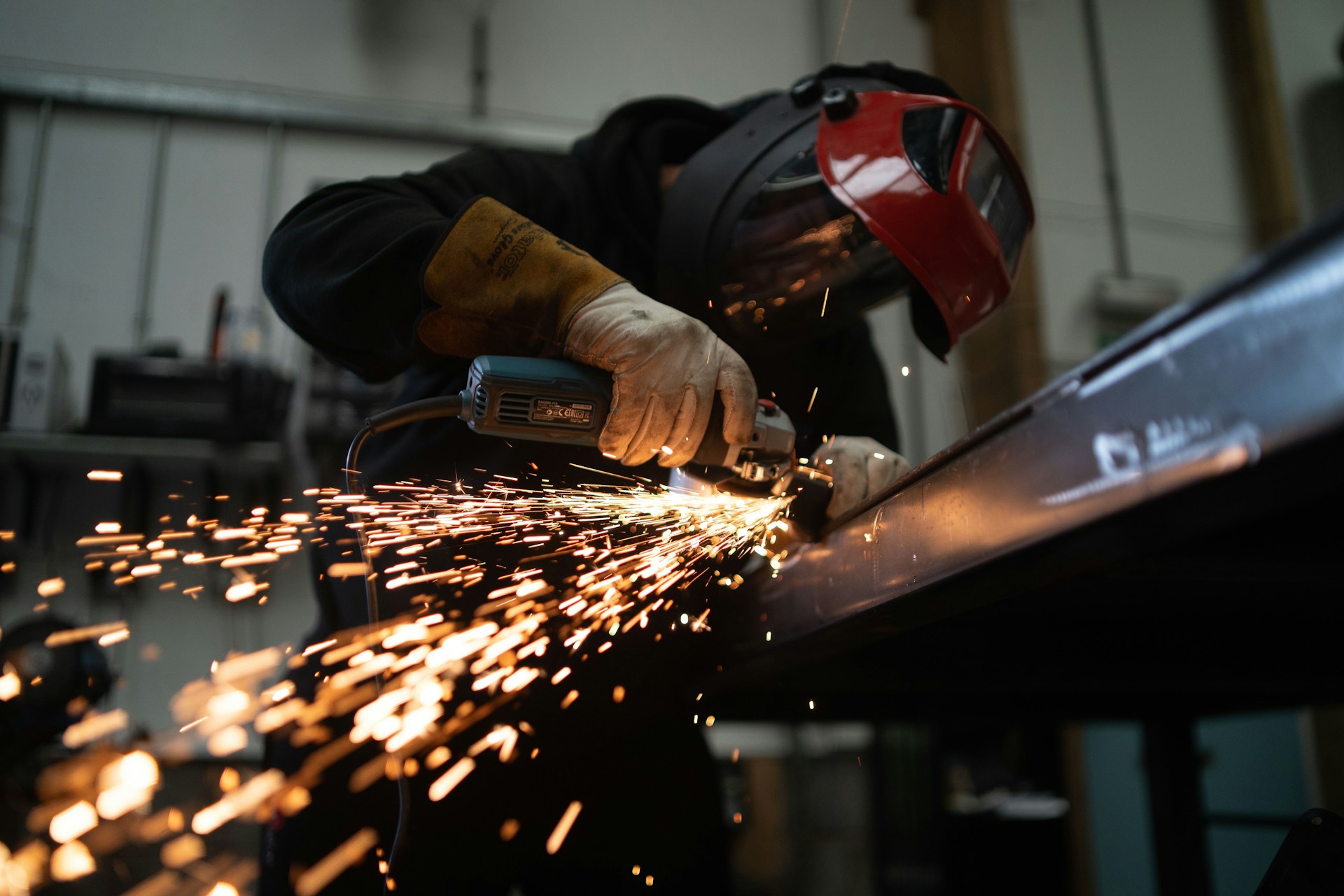
The results are already visible. Malta Enterprise notably supported Seifert Systems in becoming the nation’s first certified Zero Carbon Footprint factory, a landmark achievement that sets a new benchmark for sustainable industry on the island.
“Projects in these areas not only help Malta reduce its carbon footprint,” Mr Gregory adds, “but also create high-value, knowledge-intensive jobs and foster innovation in sustainable technologies.”
Parallel to this green transition is a comprehensive push for digitalisation. The strategy extends far beyond simply attracting tech companies; it’s about enhancing the entire investment proposition by encouraging companies across all sectors to embed digital innovation into their core operations. From automating processes to developing new digital products, the aim is to help businesses become more efficient, innovative and globally competitive.
“By embedding digital transformation into our investment strategy, we ensure that Malta remains a forward-looking, innovation-driven economy where companies of all sizes can thrive and grow sustainably,” the CEO states.
But perhaps the most forward-thinking aspect of Malta’s new economic chapter is its redefinition of success. Aligned with Vision 2050, Malta Enterprise is moving beyond traditional economic metrics like GDP to assess investments based on their broader impact on society and quality of life.
“Key indicators now include median wages, R&D intensity, carbon reduction, and the innovative use of technology,” Mr Gregory reveals. This holistic approach allows the agency to identify and support investments that are truly sustainable and aligned with Malta’s strategic priorities, ensuring lasting benefits for the entire community
Looking ahead to 2035 – the first major milestone of Vision 2050 – Mr Gregory envisions a transformed economic landscape. “By 2035, Malta is expected to develop into a knowledge-driven, innovation-focused economy, with growing clusters in healthtech, digital industries, advanced manufacturing, and the green and blue economy,” he says.
Success, the CEO concludes, will be measured by a diversified economic base, high-value employment and enhanced long-term competitiveness. Malta Enterprise will remain at the heart of this evolution, facilitating collaboration between startups, established companies, research institutions, and local businesses.
The ultimate ambition is both bold and inspiring. “The broader goal is for Malta to be recognised as a small nation with outsized impact,” Mr Gregory says with conviction, “where a supportive business environment, skilled talent and forward-looking policies combine to deliver sustainable economic growth and an enhanced quality of life.”
For the discerning international investor, this carefully crafted blueprint presents not just an opportunity, but a compelling invitation to be part of a nation actively and intelligently engineering its own prosperous future.
This interview was first carried in the 2026 edition of Malta Invest, the sister brand to MaltaInvest.mt and produced by Content House Group.
Images: George Gregory by Tyler Calleja Jackson
Share
Written By Sarah Muscat Azzopardi
Sarah is a writer and editor at Content House Group. With a strong background in business publications, she is passionate about connecting the dots to produce superb content that creates value. When she’s not picking the brains of Malta’s business leaders, Sarah enjoys discovering new eateries, spoiling her rescue dogs and working on her embroidery business.


Continue Reading


Malta’s Economic Sectors