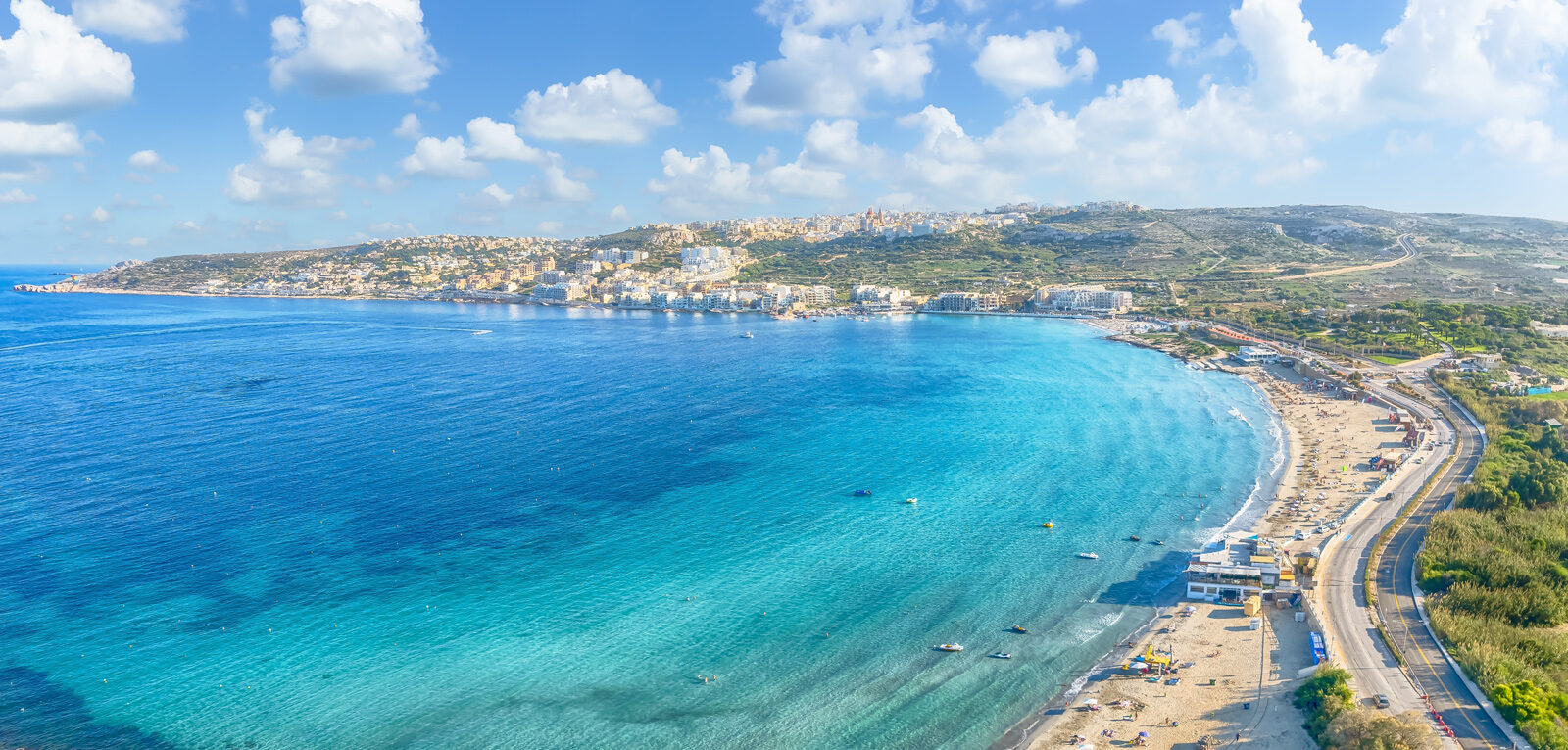



Malta’s maritime prowess: A beacon of quality and trust in global shipping
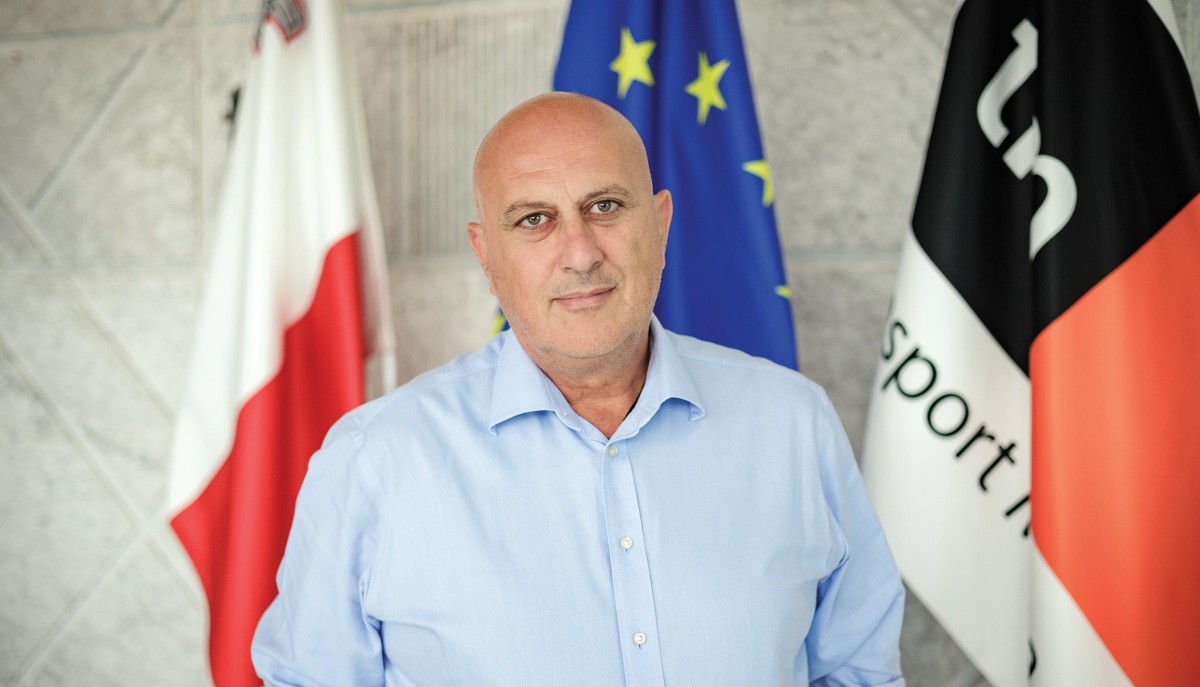
Dr Ivan Tabone, Registrar General of Shipping and Seamen for Malta’s Merchant Shipping Directorate, shares his plans to reinforce the principles that have been the bedrock of its success for over half a century

Written By Sarah Muscat Azzopardi
Published on 3 March 2026
•
7 min read
Share





Scale and quality are often seen as opposing forces in global shipping. In Malta, however, they have converged to create a maritime superpower. While the island commands the largest shipping registry in Europe – and the sixth largest in the world – it has anchored its formidable reputation in the bedrock principles of compliance, safety and unwavering trust. The result is the robust Malta flag: a globally recognised symbol of confidence for the most discerning shipowners, financiers and seafarers.
Ensuring this legacy of excellence endures and evolves in a changing world is the mandate of Dr Ivan Tabone, the Registrar General of Shipping and Seamen, and Chief Officer for the Merchant Shipping Directorate (MSD). Appointed in late 2023, Dr Tabone, a seasoned maritime lawyer, brings a wealth of experience to a role crucial for one of the main pillars of the nation’s economy.
Malta’s ascent in the maritime world was no accident – rather, as Dr Tabone describes, it is “the result of years of hard work” by a broad spectrum of stakeholders. The journey began in earnest with the Merchant Shipping Act of 1973, a piece of legislation that has remained the backbone of the island’s maritime framework, he shares.
Crucially, the Act was drafted with a clear purpose: to protect the three primary stakeholders in the industry – the shipowner, the seafarer and the financier. This tripartite protection creates a secure, transparent and predictable legal environment.
“This is the story of the success that we have, because our law is, first of all, transparent, and very clear in protecting these three stakeholders,” Dr Tabone explains. “When you have the three major players protected, everyone can feel safe under that flag.”
This legal certainty has a powerful domino effect. Financiers feel comfortable lending to owners of Maltese-flagged vessels, and in turn, recommend Malta as a jurisdiction of choice. This symbiotic relationship, nurtured over decades, has created a robust ecosystem that includes a vibrant cluster of local service providers, from top-tier law firms to corporate service providers, all contributing to and benefitting from the flag’s sterling reputation. The growth of the registry, meanwhile, fuels ancillary services, creating a virtuous cycle of economic activity that extends far beyond the directorate itself.
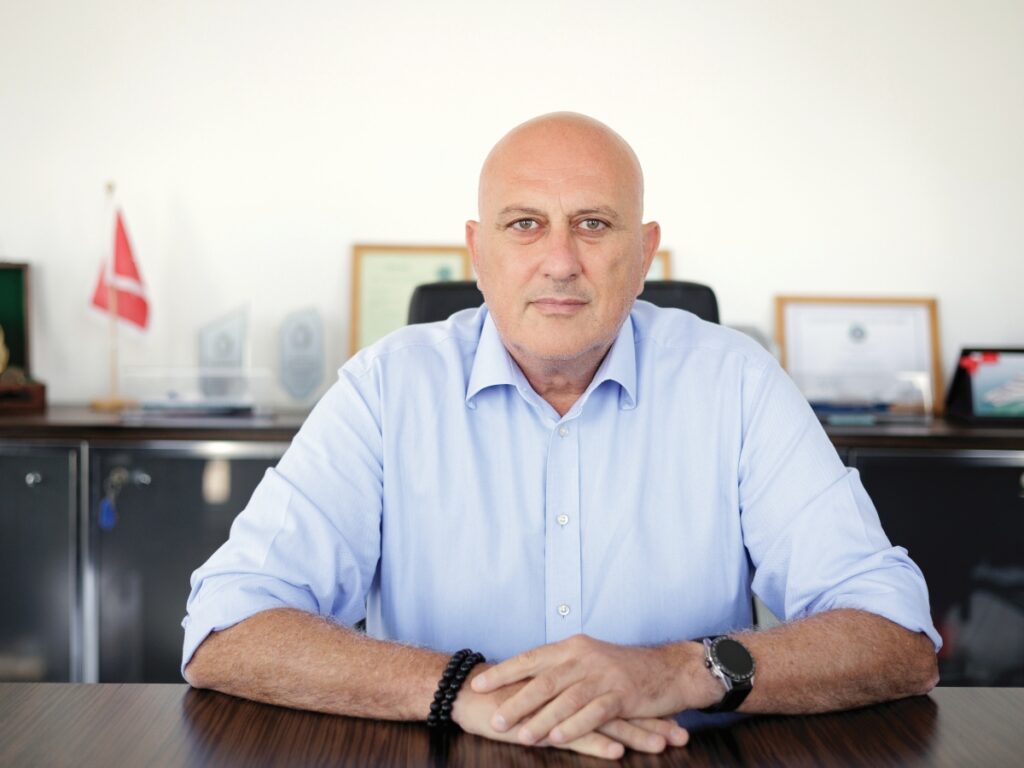
And while some registries might compete on cost, Malta competes on quality. Dr Tabone is unequivocal on this point. “Our main interest is safety-driven. So it’s not about profit, it’s about compliance,” he asserts. “That is our main philosophy.”
This commitment is validated by rigorous external oversight. The MSD is regularly and successfully audited by the major international maritime bodies: the International Maritime Organisation (IMO), a UN agency, and the European Maritime Safety Agency (EMSA). Furthermore, Malta is a stalwart of the major memoranda of understanding for Port State Control, consistently maintaining its position on the coveted ‘White List’ of both the Paris and Tokyo MOUs. This signifies a high standard of compliance and results in tangible benefits for shipowners.
“When your flag is on the White List, that means that there are fewer delays in ports because your ships are targeted less. And that is another point that is attractive to our clients,” notes Dr Tabone.
This dedication to quality extends to the fleet itself. While the registry continues to grow sustainably, the focus is increasingly on attracting younger, more modern tonnage. Recent amendments to the Merchant Shipping Act have reduced the maximum age for vessel registration, he maintains, in a strategic move to further enhance the quality and environmental performance of the Maltese fleet.
It is also clear that, in an industry rapidly embracing digitalisation, the MSD is determined to lead from the front. In fact, the directorate is in the advanced stages of a major digital transformation, aiming to become a fully-fledged “digital hub”, the Registrar General explains – an ambitious project that involved digitising all records and, most significantly, creating an integrated platform for all client services. “Our developers are working to create a platform that will form the front end for the client and the back end for our staff to work together,” Dr Tabone reveals.
A key milestone was achieved in June 2025, with the transition to issuing fully digital certificates for vessels. This move, a direct response to client needs, streamlines processes, enhances security and makes the registry more competitive.
Yet, for all its technological advancement, the directorate’s greatest asset remains its people. Dr Tabone speaks of his team with evident pride, valuing them “as family”. He firmly believes that the human element is the directorate’s secret ingredient. “If you had to ask me what the main driving factor of our success is, I would say it is the approach of our team,” he states.
This translates into a unique service proposition. Unlike larger, more dispersed registries, Malta’s decision-makers are all located under one roof, operating 24/7.
“Anyone can pick up the phone and call the decision-maker there and then and get a decision immediately,” Dr Tabone says. “The shipowner does appreciate that when they call, someone is going to answer, and the person that’s going to answer is a decision-maker.” This direct, personal and efficient service builds strong, lasting relationships based on mutual respect and trust.
It comes as no surprise then, that Malta’s influence extends far beyond its shores. As a long-standing and respected member of the IMO Council, the highest decision-making body of the organisation, Malta plays an active role in shaping global maritime policy. “Being there is very important,” Dr Tabone affirms, noting that it allows Malta to represent the interests of its shipowners in the fora where crucial decisions are made.
And the island nation’s commitment to the IMO is profound, proudly hosting two major IMO institutions: the International Maritime Law Institute (IMLI) and the Regional Marine Pollution Emergency Response Centre for the Mediterranean Sea (REMPEC). This active participation and financial contribution, proportional to its large tonnage, ensures Malta’s voice is heard on the most pressing issues facing the industry today
One of the most significant of these is decarbonisation. Malta, alongside its EU partners, is pushing for a harmonised net-zero framework for greenhouse gas emissions. It is also actively promoting the use of alternative fuels and has joined the Clean Energy Marine Hubs Initiative to help accelerate the transition. Locally, projects like the shore-to-ship Onshore Power Supply (OPS) system in Valletta’s Grand Harbour are already drastically cutting emissions from berthed vessels, demonstrating a tangible commitment to a greener future.
Looking ahead, Dr Tabone’s strategic priorities are clear. First, completing the digitalisation process is paramount, as it will provide a new platform from which to assess the directorate’s future trajectory. Beyond that, the constant challenge is to remain competitive while upholding the highest standards of compliance, navigating geopolitical turbulence and keeping abreast of rapid developments in decarbonisation.
The vision for the Malta flag is not just about size, but about sustainable quality. “Growth has to be sustainable, first of all, and also with compliance in mind,” Dr Tabone concludes. “We would rather grow at a slower pace, with younger tonnage.”
Under his stewardship, the Merchant Shipping Directorate is set to continue its legacy as a global centre of maritime excellence. For international investors and shipowners seeking stability, quality and a true partner in a complex industry, the message from Malta is clear: this is a flag of confidence, committed to navigating the future with integrity and foresight.
This interview was first carried in the 2026 edition of Malta Invest, the sister brand to MaltaInvest.mt and produced by Content House Group.
Share
Written By Sarah Muscat Azzopardi
Sarah is a writer and editor at Content House Group. With a strong background in business publications, she is passionate about connecting the dots to produce superb content that creates value. When she’s not picking the brains of Malta’s business leaders, Sarah enjoys discovering new eateries, spoiling her rescue dogs and working on her embroidery business.

Continue Reading


Malta’s Economic Sectors